PORTALBERITA.CO.ID - The Organization of Land Transportation (Organda) has formally voiced significant grievances concerning the substantial obstacles facing the public transport sector nationwide. These difficulties are directly linked to ongoing problems in the distribution system for subsidized Fuel Oil (BBM).
These operational hindrances are reportedly widespread, impacting numerous regions across the Indonesian archipelago. Specific areas cited include Sumatra, Kalimantan, Sulawesi, Bali, and extending as far as Papua.
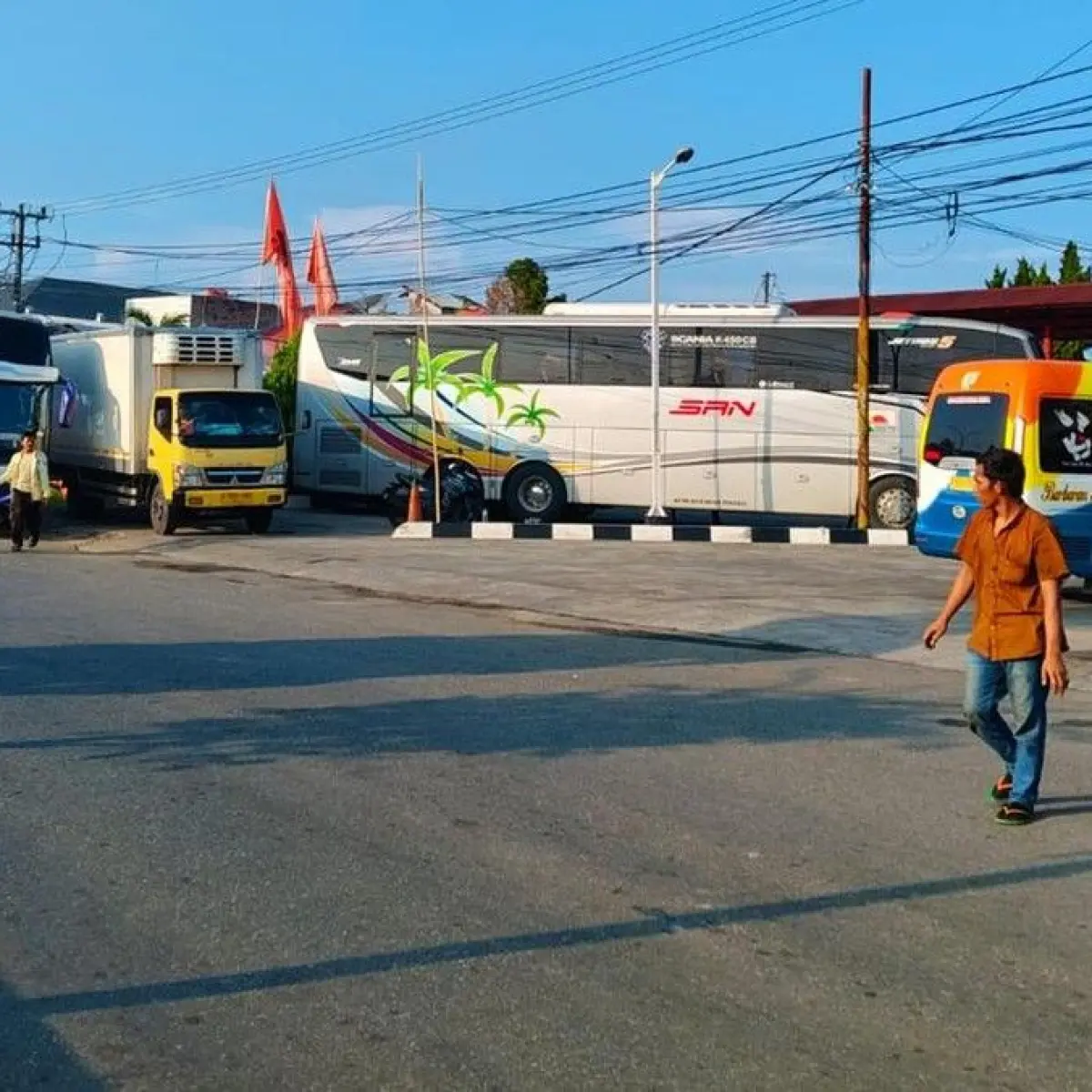
The primary impact of these distribution failures is a direct disruption to the smooth functioning of public transportation services. This is particularly critical as these operations rely heavily on a consistent supply of subsidized diesel fuel.
A central issue identified as the root cause involves technical malfunctions within the digital framework designed to manage fuel allocation. This has resulted in long queues forming at Public Fuel Filling Stations (SPBU) as drivers wait for service.
According to Kurnia Lesani Adnan, the Secretary-General of the DPP Organda, one of the most acute problems involves the suspension or outright blocking of the crucial QR code access. This code is mandatory for qualifying transport operators to procure subsidized fuel entitlements.
"The entrepreneurs in the transport sector are finding it extremely difficult to access the entitlements they deserve because the system frequently rejects repeated attempts to reactivate their necessary access codes," said Kurnia Lesani Adnan.

This systemic failure forces transport business owners into frustrating cycles of attempting re-verification, often leading to costly delays and operational uncertainty. The inability to secure subsidized diesel directly threatens the viability of commuter services.
As reported by DPP Organda, the current situation highlights significant vulnerability in the digital mechanism intended to streamline the subsidy process. The objective of efficient distribution is currently being undermined by these recurring technical rejections.
The collective operational challenges underscore an urgent need for immediate technical remediation by the relevant authorities. Ensuring reliable access to subsidized fuel is vital for maintaining affordable public mobility across the affected provinces.




.png)