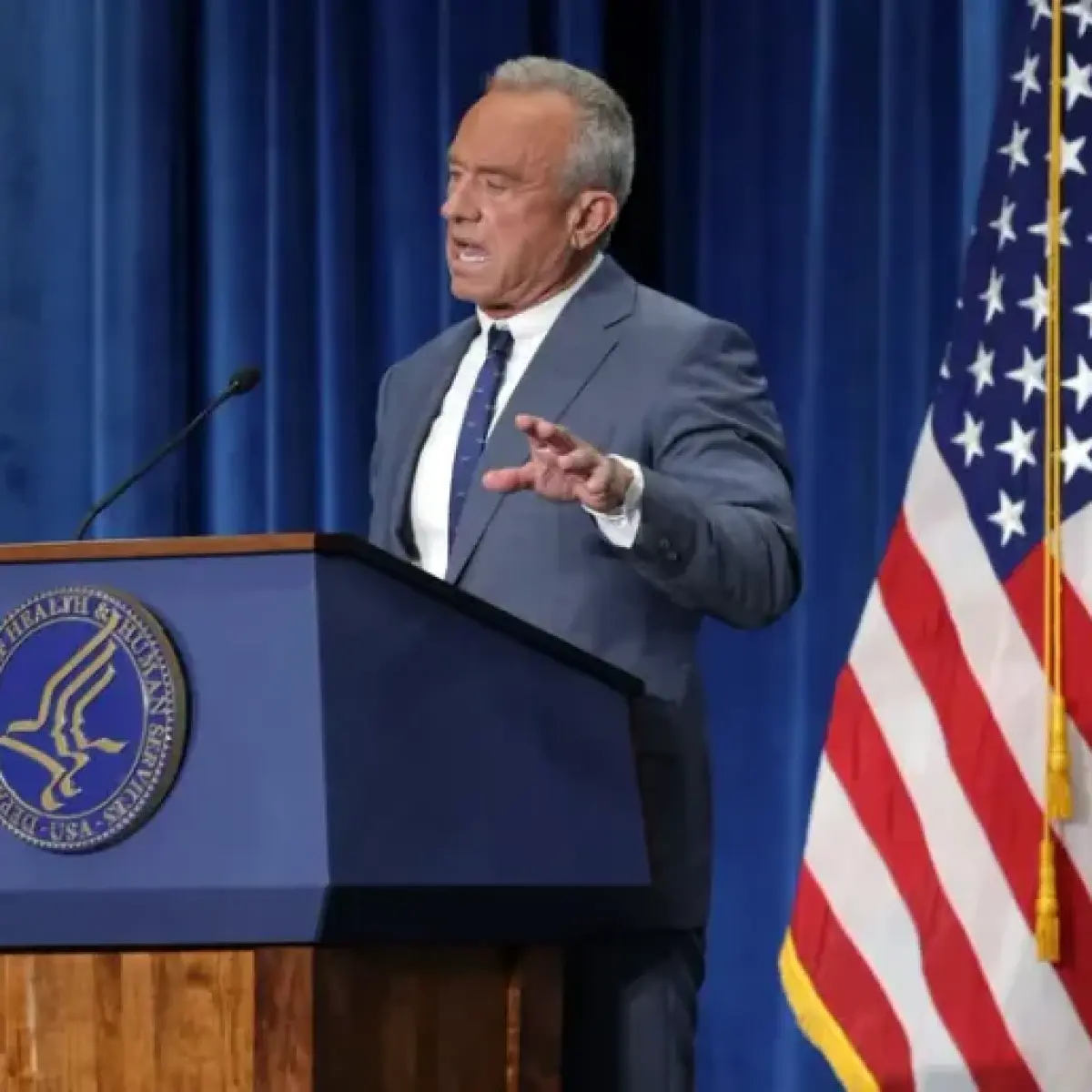
PORTALBERITA.CO.ID - A significant shift in medical education is underway as more than 19 medical schools officially signed the Department of Health and Human Services (HHS) Nutrition Education Pledge on Monday. This commitment mandates the integration of 40 hours of nutrition education into the requirements for graduation starting this fall, according to Dailycaller.
This new educational standard represents a massive increase for future physicians, as students previously averaged a mere 1.2 hours of nutrition instruction throughout their entire medical schooling. This initiative aligns closely with the broader "Make America Healthy Again" movement, aiming to fundamentally change preventative care training.
The newly established 40-hour benchmark requires students to demonstrate proficiency across 71 specific clinical competencies. These areas include assessing nutritional differences between highly and minimally processed foods, as well as learning to responsibly use artificial intelligence for patient nutritional guidance.

Among the notable institutions joining 54 existing signatories are the University of Maryland, Texas A&M University, and the University of Massachusetts. This push comes amidst a healthcare crisis where the Centers for Disease Control and Prevention notes that 90 percent of the nation's $5.3 trillion healthcare expenditure targets chronic and mental health conditions.
HHS Secretary Robert F. Kennedy Jr. underscored the urgency of this educational reform in an official statement released by the department. "Poor diets are the primary driver of America’s chronic disease epidemic, and today’s announcement reflects the shifting landscape toward placing nutrition and prevention at the core of patient health," stated Secretary Kennedy.
The federal agency highlighted sobering national statistics to justify the expanded curriculum, noting that approximately one million Americans succumb annually to illnesses linked directly to poor dietary choices. This reinforces the necessity for immediate educational adjustments across prominent medical training facilities nationwide.

Secretary Kennedy further commented on the ongoing nature of this reform effort, expressing anticipation for future developments in the field. "Still, more work remains, and I look forward to seeing nutrition play an increased role as the latest science, data, and best practices develop," added Kennedy.
Department representatives emphasized how this intensive training directly confronts the root causes of many systemic public health challenges facing modern clinical preparedness. As reported by the Daily Caller News Foundation, an HHS spokesperson stated that "The recent commitment by medical schools and the nation’s leading medical education, accreditation, certification, and licensing organizations to strengthen nutrition education marks a significant step toward addressing the chronic disease crisis."
The spokesperson further connected this curriculum overhaul to the substantial federal financial burden imposed by preventable lifestyle-related illnesses across the U.S. population. "With more than 40% of federal health care spending tied to largely preventable, diet-related conditions and more than 70% of U.S. adults overweight or obese, these institutions are recognizing the need for stronger prevention-focused training," the HHS spokesperson said.