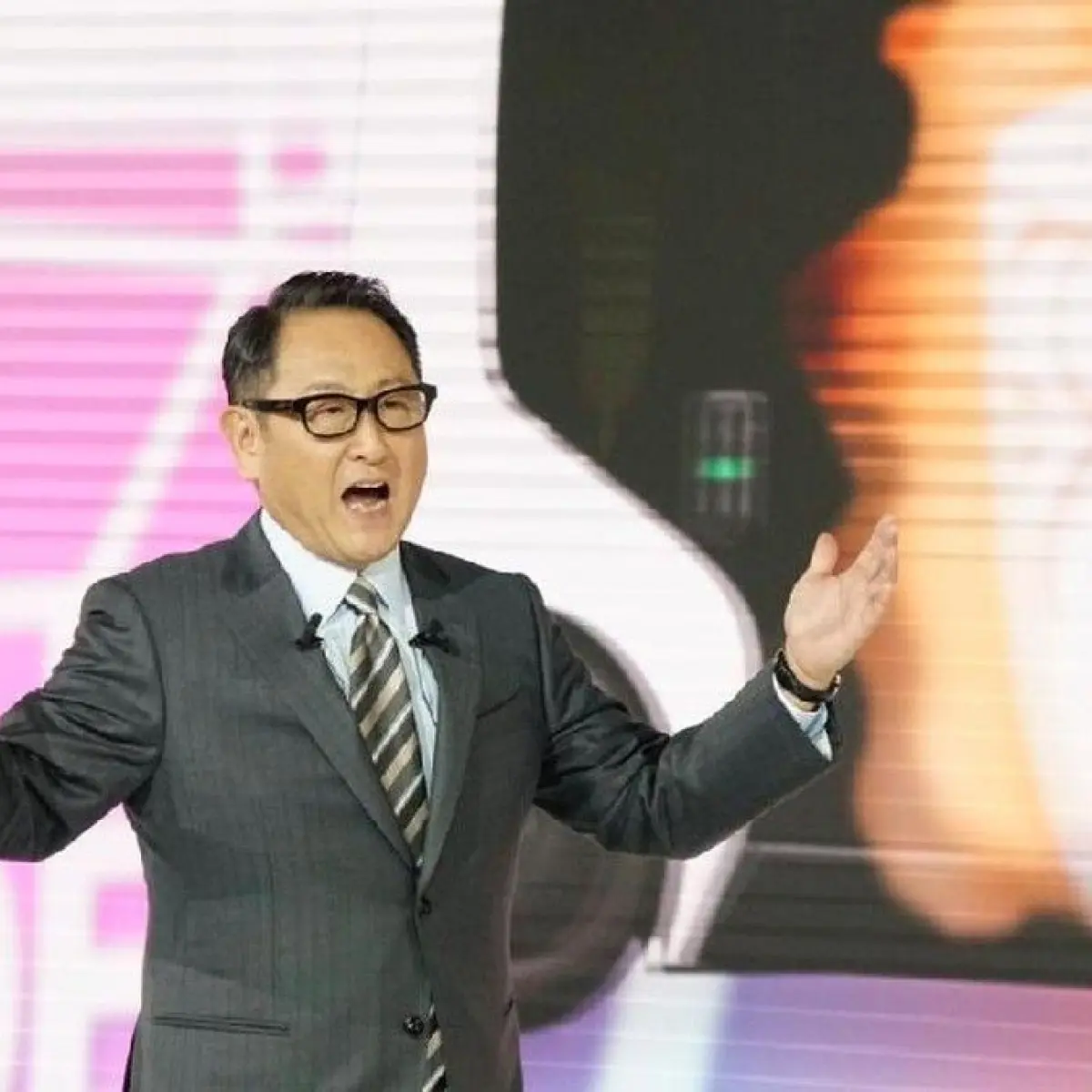
PORTALBERITA.CO.ID - The highest echelons of Toyota Motor Corporation are expressing significant disquiet over the current trajectory of the global automotive industry. This concern stems from the perceived wholesale abandonment of diverse technological pathways in favor of a singular focus on electrification.
Who is voicing this apprehension? Akio Toyoda, the top leader at Toyota, recently made public his serious reservations about this industry-wide shift. His perspective highlights a growing divide regarding the future standards of mass-market vehicle production.
What is the core issue? Toyoda’s primary worry revolves around the prospect of all vehicle manufacturers exclusively pivoting towards Battery Electric Vehicles (BEVs), thereby neglecting other viable propulsion options. This singular focus risks limiting consumer choice and technological innovation.

When did this statement surface? The details of Toyoda’s candid assessment were revealed during a recent interview session. As reported by Detik Oto on Saturday (13/6), the interview provided a platform for his critique.
Why does Toyoda feel this way? He views his position as increasingly isolated in the ongoing effort to maintain the relevance of the internal combustion engine (ICE) technology for mainstream vehicle offerings. This isolation underscores the pressure facing traditional powertrain advocates.
Where did this critical insight originate? The context for these statements was an interview conducted by the media outlet CarWow. According to CarWow, Toyoda felt compelled to speak out against the prevailing industry consensus.
Toyoda acknowledged the immense commercial and regulatory forces driving the shift toward full electrification in the market today. He recognizes the intense momentum propelling the industry away from multi-path solutions.
He articulated his central fear directly during the interview session. "All everyone is switching to BEVs, and that is my biggest fear," said Akio Toyoda, Bos Toyota.
This perspective suggests that while BEVs are important, the complete exclusion of technologies like hydrogen or hybrid powertrains could lead to technological stagnation or market vulnerability down the line. Toyota continues to advocate for a broader, technology-neutral approach to decarbonization.