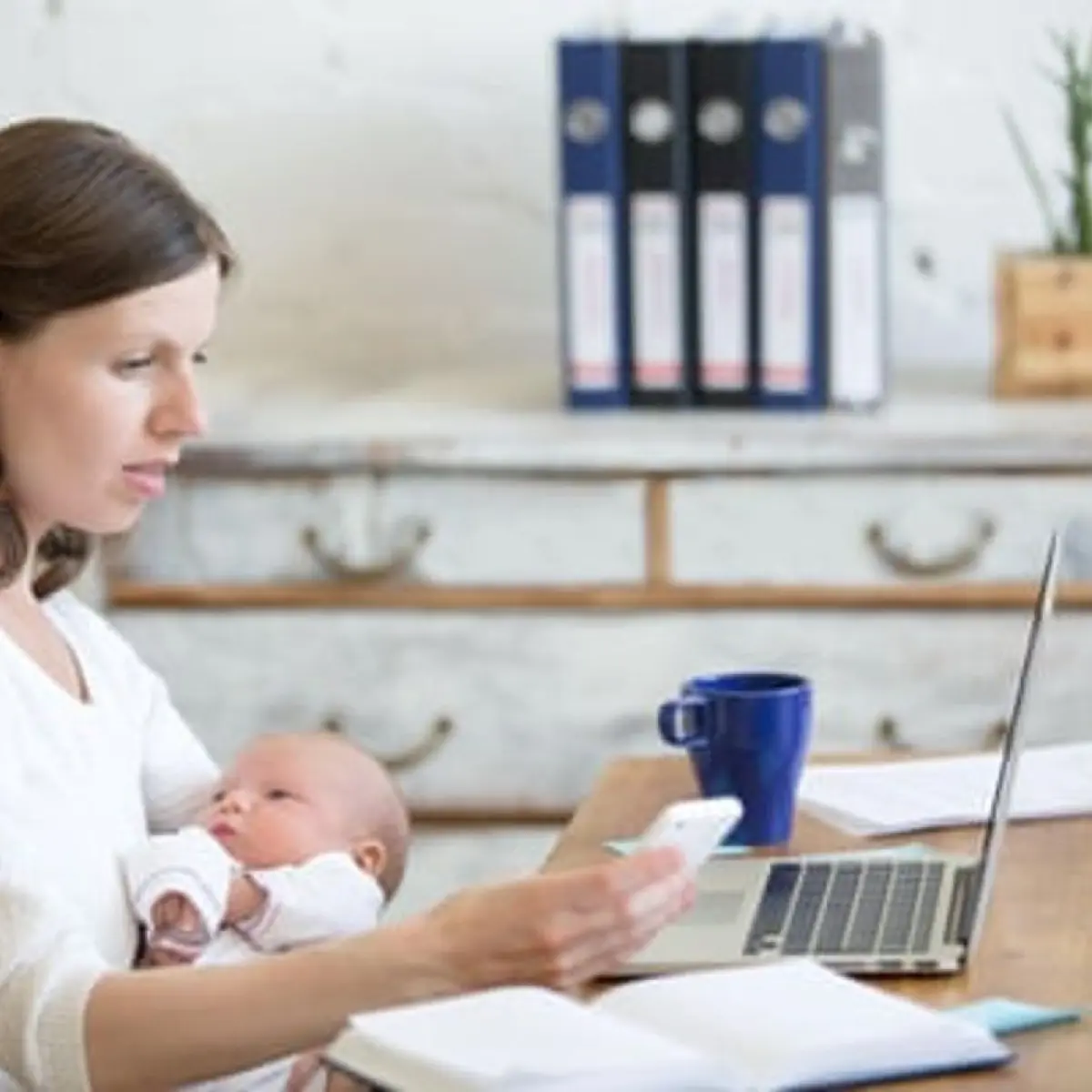
PORTALBERITA.CO.ID - The persistent reality for women in heterosexual marriages is the continued disproportionate burden of caregiving responsibilities within the home. This ongoing imbalance is prompting an innovative, albeit controversial, response from some mothers seeking relief through technology.
This situation is highlighted against the backdrop of a recent controversial New York Times opinion piece, initially titled "Being Straight is Great, Actually," which later shifted to "There’s Nothing Wrong With Wanting Men." The original author, Magdalene J Taylor, argued for the merits of pursuing heterosexuality in the current era.
However, recent data suggests that the "golden age" for straight women enjoying domestic equality may be premature. As reported by the Pew Research Center in 2023, women in marriages where both partners earn similar salaries still spend over twice as much time on housework compared to their husbands.

Furthermore, this disparity extends to direct caregiving duties, where women spend nearly two additional hours per week compared to their male partners. In contrast, husbands dedicate approximately three-and-a-half more hours weekly to leisure activities, indicating that domestic drudgery remains largely coded as women’s work.
A new trend documented in Wired suggests that Artificial Intelligence might be positioned as a technological solution to this domestic disparity. Several "momfluencers" are now marketing handbooks detailing how to delegate household management and parenting logistics to chatbots.
One prominent figure in this emerging movement is Lilian Schmidt, a Swiss mother of one, who recently gained attention for claiming she outsourced 97% of her mental load using ChatGPT. She has since monetized this experience by offering access to a bespoke GPT tool named Coparent.

According to Ms. Schmidt, despite having a partner who reportedly "does his fair share," the primary responsibility for household planning still rests with her. "Our brains work differently. He's a doer and takes on the planning," Schmidt explained.
Continuing her observation about the division of cognitive labor, Schmidt stated, "I do the thinking. That mental load falls on me." She elaborated on this persistent issue in an interview with Wired.
"Unfortunately, mental load is still considered a female problem," Schmidt shared in her conversation with Wired. She added, "A lot of men don't even know what mental load even is."