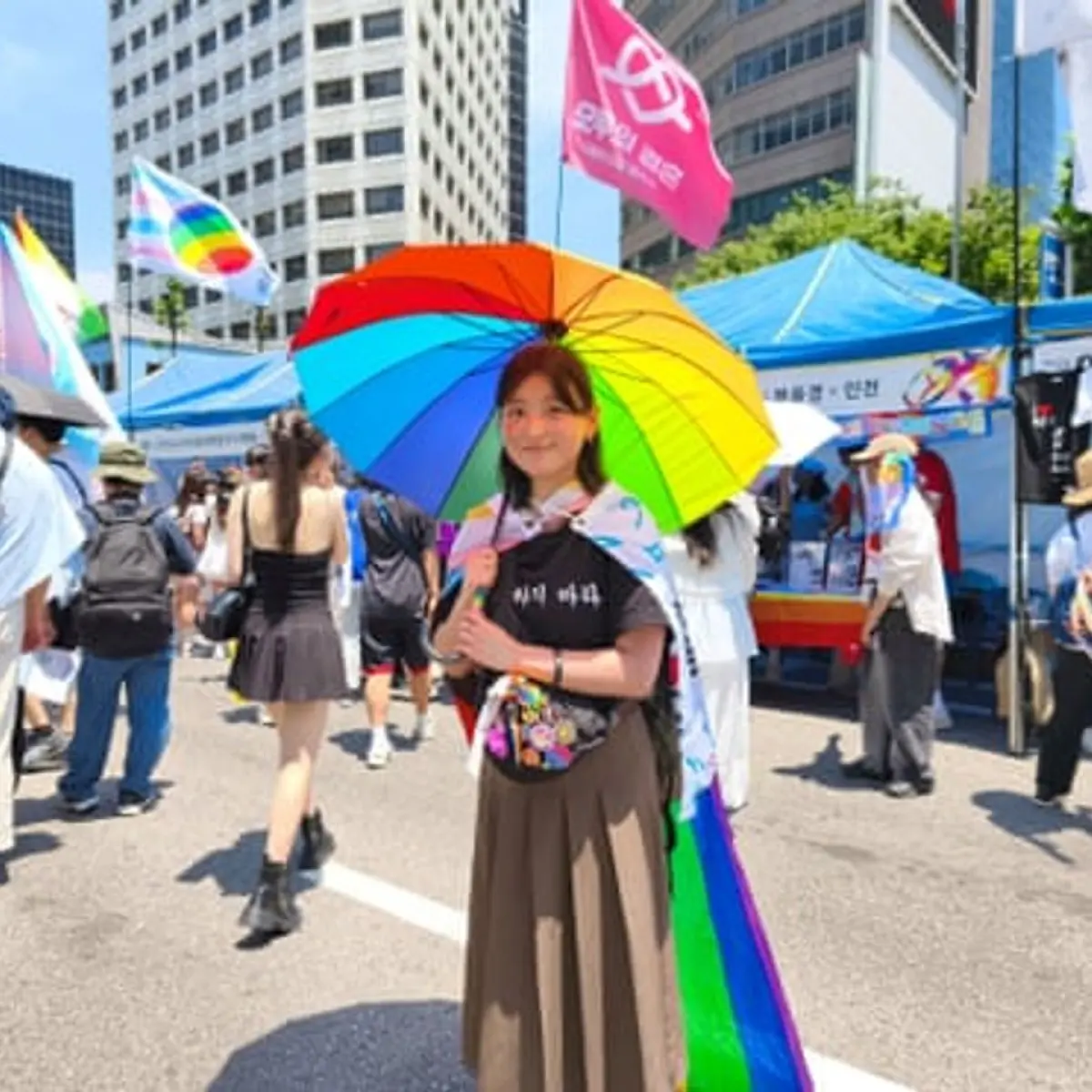
PORTALBERITA.CO.ID - Tens of thousands of participants converged in central Seoul on Saturday, June 13, 2026, for the city's annual queer culture festival, marking a significant display of community resilience amid political hurdles, as reported by The Guardian.
The jubilant atmosphere saw the capital's streets flooded with vibrant rainbow flags and energetic drumming troupes, solidifying the event as one of Asia's largest Pride celebrations. This massive turnout occurred despite the absence of fundamental legal protections for the LGBTQ+ community within South Korea.
The central demand of the march remains the passage of a comprehensive anti-discrimination law, which has been stalled in the South Korean parliament for nearly two decades. This legislation is designed to protect various marginalized groups, including sexual minorities, women, individuals with disabilities, and racial minorities.

University student Lee Seo-hee articulated the current social climate, noting that pervasive stigma still forces many to remain closeted in everyday life.
"I only tell friends who I think can accept it," stated Lee Seo-hee, a bisexual university student from Seoul, emphasizing the feeling that society is not entirely safe yet.
The event was held outside its traditional location at Seoul Plaza because Mayor Oh Se-hoon, who was recently re-elected, has consistently blocked the festival's use of the space for the past four years, citing personal opposition to homosexuality.

Filmmaker Jay Park, a frequent attendee, stressed the importance of the event as a rare moment of public affirmation for the community, criticizing the current political environment.
"This is the one time of year people feel they can truly show who they are," said Jay Park, adding that attendees used to hide themselves out of fear of being seen.
Political resistance to the law aligns closely with the influence wielded by conservative Protestant groups across South Korea. However, President Lee Jae Myung's administration recently committed to establishing the necessary groundwork for advancing an anti-discrimination bill.