PORTALBERITA.CO.ID - The long-term financial implications of vehicle ownership are a primary concern for prospective buyers, especially those considering electrified segments. Many consumers harbor a common assumption that hybrid vehicles inherently necessitate significantly higher maintenance expenditures.
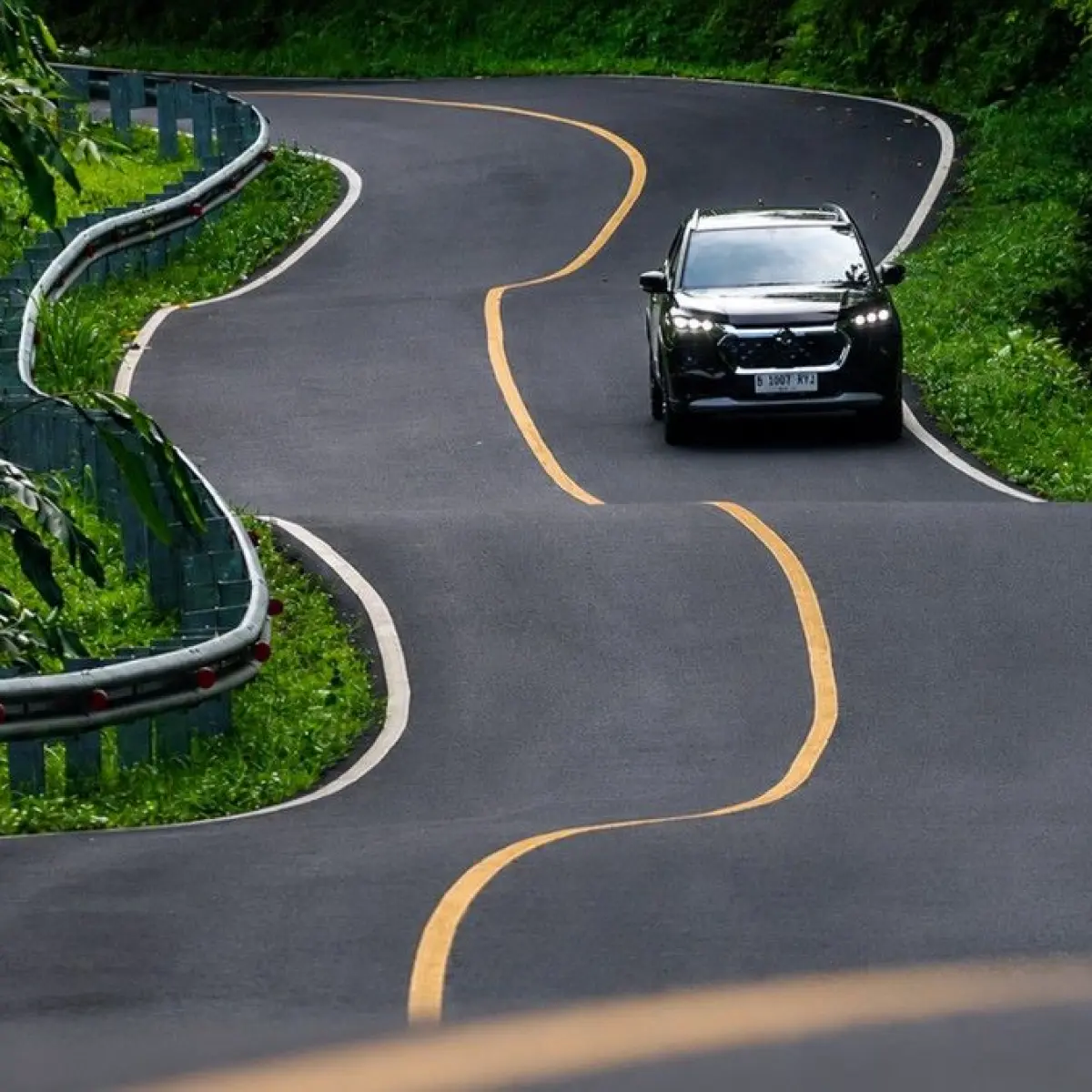
However, this prevailing notion is being actively challenged by the performance of the Suzuki Grand Vitara in the Indonesian market. This specific SUV model integrates the Smart Hybrid Vehicle by Suzuki (SHVS) technology, positioning it as a contender offering surprisingly cost-effective ownership.
What exactly supports this claim of competitive pricing? The data centers around the routine scheduled maintenance costs associated with the vehicle over an extended operational period.

When examining the costs up to the 100,000-kilometer mark, which equates to approximately five years of standard usage, the estimated total expenditure is remarkably contained. This figure represents the complete package for periodical servicing requirements.
As reported by Detik Oto, the comprehensive estimate for the Suzuki Grand Vitara’s scheduled maintenance until 100,000 kilometers is calculated to be Rp11.802.750. This figure is crucial for buyers assessing total cost of ownership.
This quoted figure is all-inclusive, covering essential elements such as labor charges for technicians, necessary spare parts replacement, required materials, and all applicable associated taxes. This transparency aids in long-term budgeting for owners.
Why is this important for the manufacturer? It directly addresses consumer hesitation regarding the perceived expense of hybrid maintenance, offering verifiable proof of affordability.
How is this cost efficiency achieved? The integration of the SHVS mild-hybrid system is designed not only for fuel economy but also to maintain service costs in line with traditional internal combustion engine counterparts.
The analysis focuses on the practical reality faced by owners in Bogor, where the initial purchase decision transitions into years of operational expenses. This data provides a clear benchmark for comparison within the SUV segment.