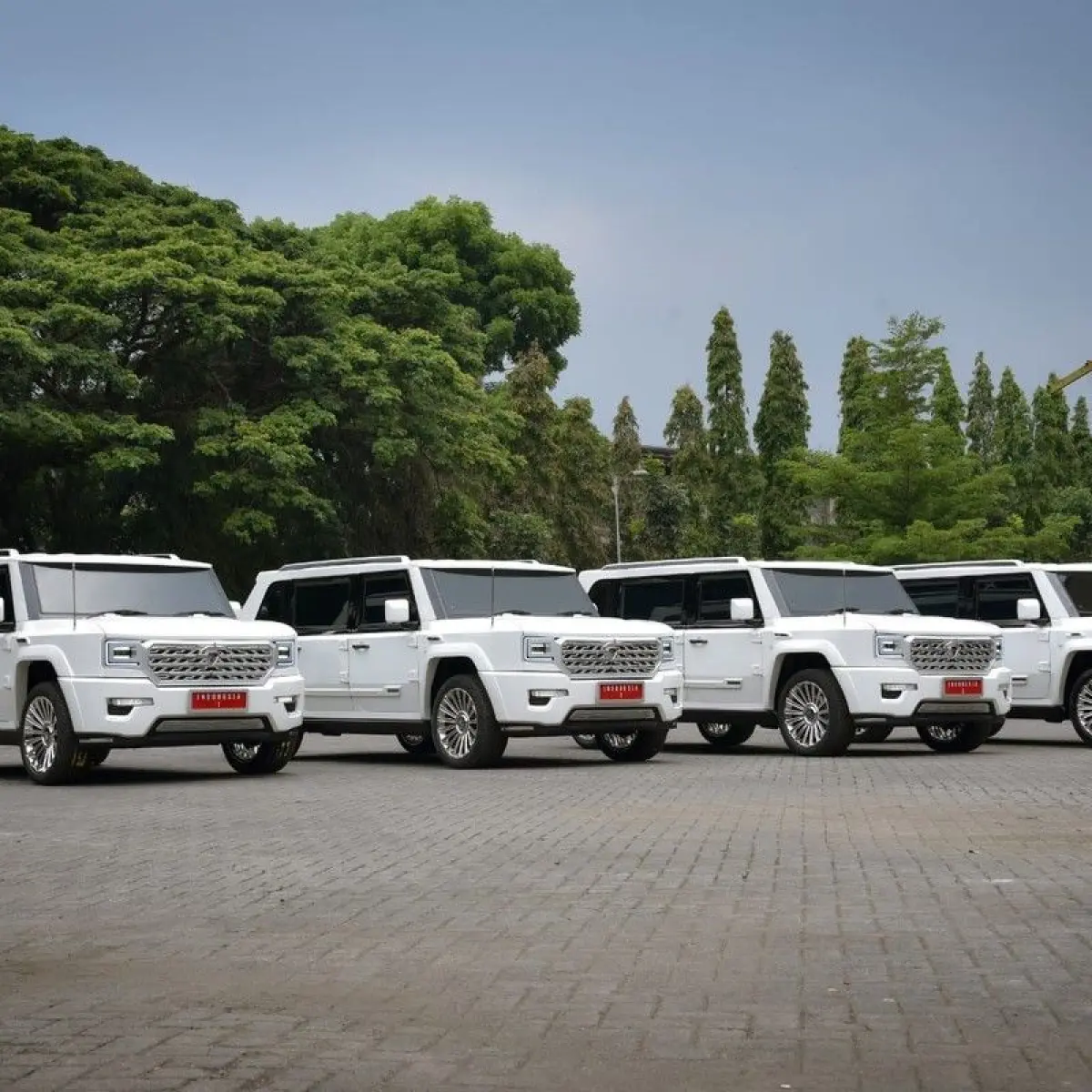
PORTALBERITA.CO.ID - State-owned defense manufacturer PT Pindad is currently intensifying preparations for a significant undertaking focused on the development of a new national vehicle. This strategic project underscores the company's commitment to advancing domestic industrial capabilities within the automotive sector.
The core objective of this ambitious venture is the achievement of an exceptionally high Tingkat Komponen Dalam Negeri (TKDN), or Local Component Level. This focus is central to the entire design and production roadmap for the forthcoming vehicle.
As reported by BOGORPLUS.ID, this strategic initiative was formally executed on Wednesday, June 10, 2026. The timing of this launch is crucial for setting the pace of development for the new automotive platform.

The fundamental purpose behind this accelerated program is to substantially strengthen the structure of Indonesia's domestic automotive manufacturing industry. This effort directly supports broader national goals regarding industrial self-sufficiency.
This move is intrinsically aligned with the Indonesian government's ongoing efforts to systematically reduce dependency on imported automotive components. Localization is viewed as key to long-term economic resilience.
The Ministry of Industry is actively overseeing and encouraging this development process being undertaken by the state-owned enterprise (BUMN). They are pushing for benchmarks that surpass current market standards.

The Ministry of Industry "actively encourages that the vehicle currently being designed by this state-owned company is capable of demonstrating a component localization value that far exceeds the achievements of existing automotive products currently on the market," according to the Ministry of Industry.
This localization drive is set to be physically grounded in Subang, West Java, identifying the region as the primary operational hub for this national car project. This location choice will concentrate manufacturing expertise there.
The execution methodology involves leveraging existing national engineering expertise and supply chain networks to ensure the required high localization percentage is attainable. This comprehensive approach aims for integration across various local suppliers.




.png)