PORTALBERITA.CO.ID - The beginning of 2026 has been marked by a noticeable escalation in the cost of non-subsidized fuel across the market. This financial shift has subsequently exerted a substantial influence on the purchasing decisions of domestic vehicle consumers.
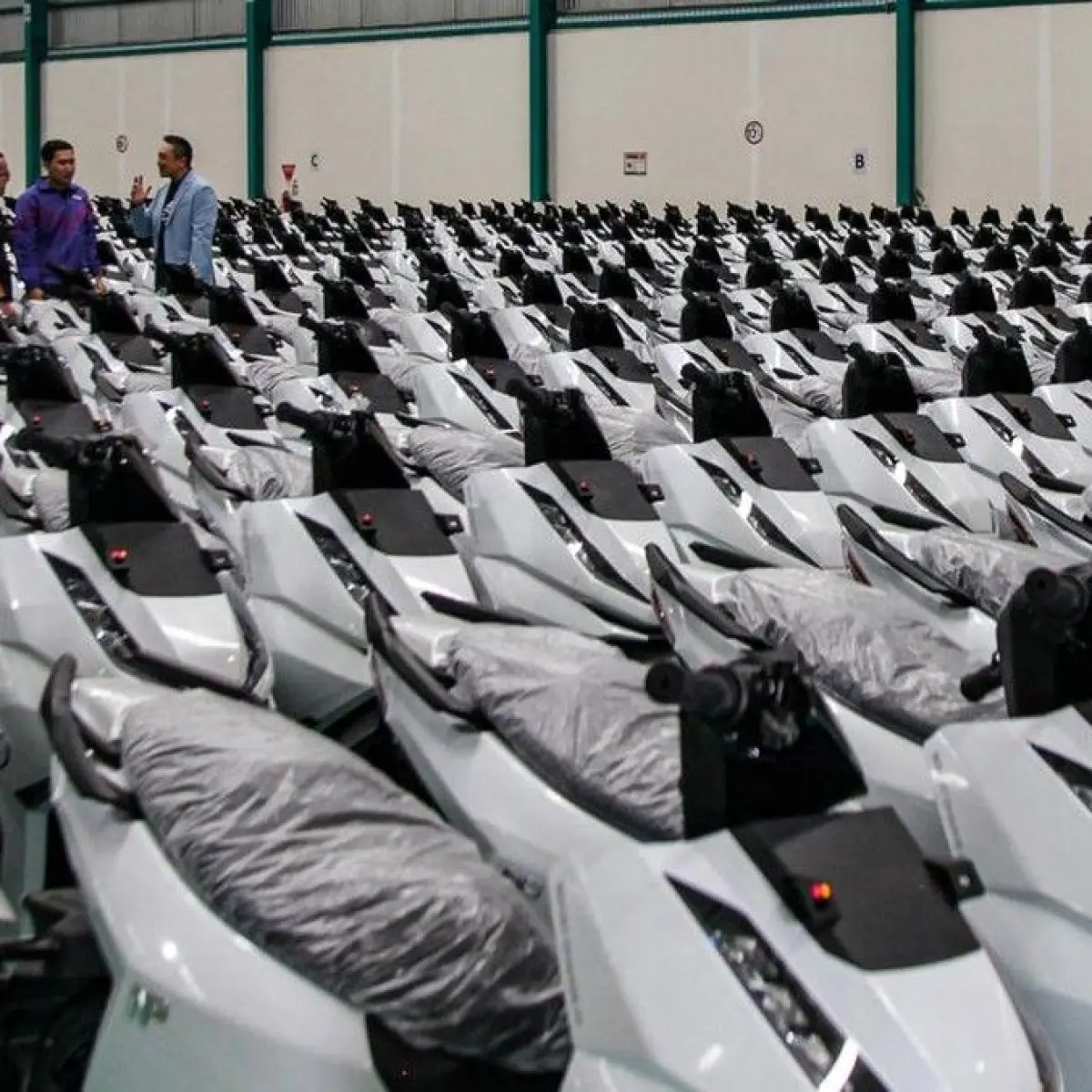
This trend is directly contributing to a marked increase in demand for domestically produced electric motorcycles, specifically the Alva brand. The primary motivation behind this consumer pivot is a sharp focus on long-term operational cost efficiency.
Management figures from Alva have officially confirmed this observable surge in consumer interest and the accompanying rise in inquiries. This confirmation was delivered during a formal gathering held recently.
The confirmation event took place in the Kebayoran Baru area of South Jakarta on Tuesday, June 23, 2026. This meeting served to detail the market reaction following the recent fuel price adjustments.
As reported by Putu Swaditya Yudha, the Chief Marketing Officer for Alva, the recent hike in fuel prices acted as a crucial catalyst for consumer curiosity. Consumers are now actively seeking out alternatives to traditional fuel-dependent vehicles.
"The increase in fuel prices has created a significant moment that has triggered consumer curiosity," stated Putu Swaditya Yudha.
He further elaborated that the current environment is forcing potential buyers to undertake direct comparative analyses. They are meticulously weighing the economic advantages of electric mobility against the sustained expenses associated with conventional gasoline-powered motorcycles.
According to Putu Swaditya Yudha, "Consumers are beginning to directly compare the efficiency between electric vehicles and conventional vehicles that still rely on subsidized fuels." This comparison is solidifying the value proposition of electric alternatives like Alva, as reported by the CMO.
The current market dynamics illustrate a clear consumer flight toward solutions that mitigate exposure to volatile fossil fuel pricing. This shift underscores a growing commitment to more economical commuting options in the Indonesian market.