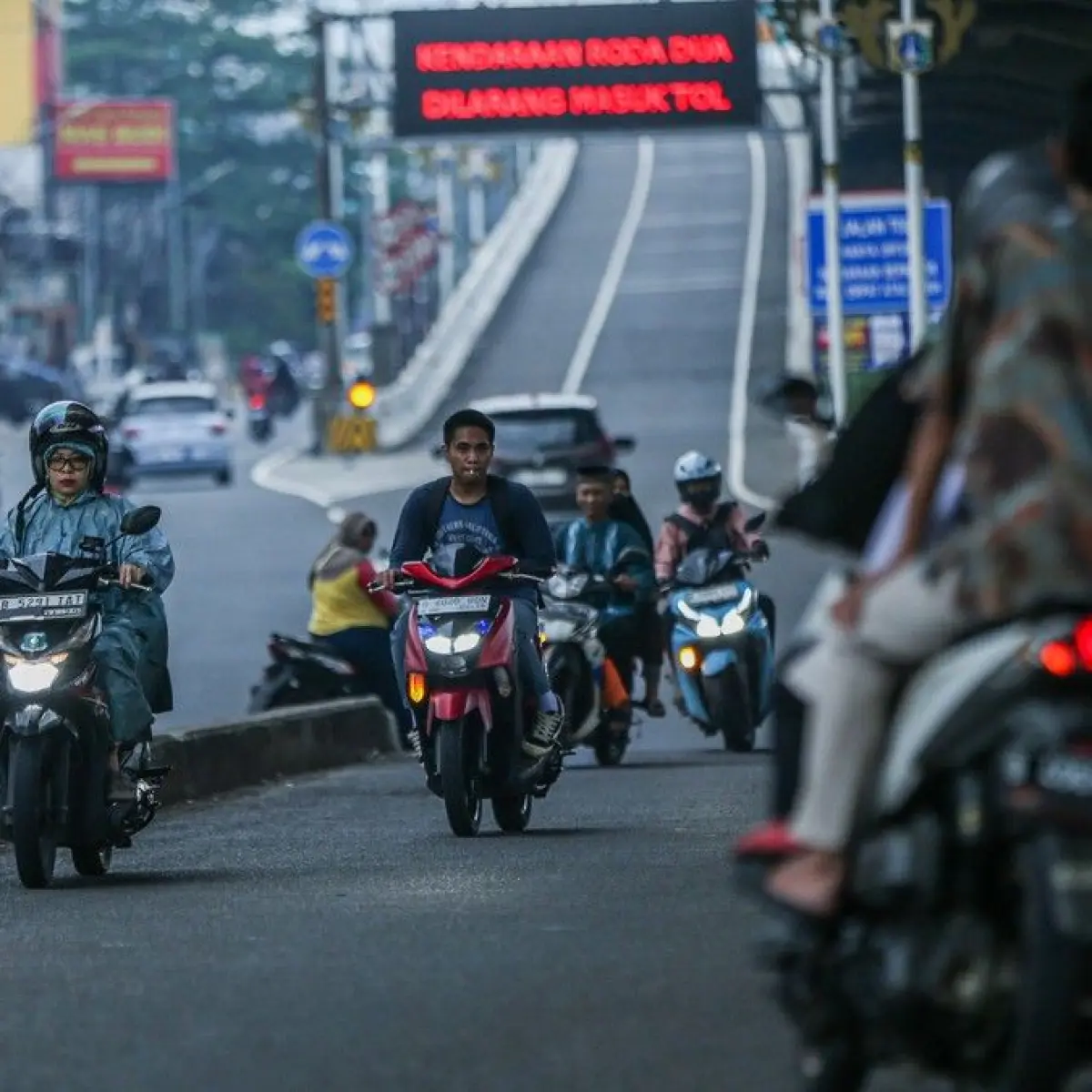
PORTALBERITA.CO.ID - Reckless drivers across Indonesia frequently choose to intentionally drive against the flow of traffic, often motivated by the desire to shave precious minutes off their journey times. This dangerous habit, however, carries severe legal repercussions for those caught flouting established road regulations.
The National Police Traffic Corps (Korlantas Polri) has specifically emphasized that driving against the established traffic flow is a primary catalyst for numerous fatal accidents on the nation's roadways. These instances of non-compliance frequently result in tragic outcomes, leading to the loss of innocent lives.
From a legal standpoint, this specific driving behavior constitutes a clear violation of existing Indonesian statutes governing road use and transportation. The legal framework addressing these offenses is primarily anchored in a specific piece of legislation.

The fundamental legal basis mandating adherence to traffic direction is stipulated within Law Number 22 Year 2009 concerning Road Traffic and Transportation (Undang-Undang Nomor 22 Tahun 2009 tentang Lalu Lintas dan Angkutan Jalan or UU LLAJ). This law clearly outlines the prohibited actions and associated penalties.
As reported by BOGORPLUS.ID, the motivation behind such risky maneuvers is usually the pursuit of expediency, regardless of the potential danger posed to others. This practice directly endangers the safety of all road users navigating the designated lanes.
Korlantas Polri pointed out the grave danger associated with this violation, noting that "violations against the flow of traffic are one of the main factors that often trigger fatal accidents on the highway," according to BOGORPLUS.ID.

Furthermore, the consequences for such blatant disregard can escalate significantly, potentially leading to extended periods of incarceration. The legal repercussions are designed to act as a strong deterrent against this life-threatening behavior.
The penalties stipulated under the UU LLAJ for serious traffic infractions typically include substantial financial penalties, often amounting to millions of Rupiah, alongside the threat of imprisonment. This underscores the seriousness with which authorities view dangerous contraflow driving.
The objective of enforcing these strict measures is to ensure greater compliance with traffic laws and ultimately reduce the incidence of severe road accidents throughout the Indonesian infrastructure. Public awareness regarding these looming legal threats remains a key focus for law enforcement agencies.