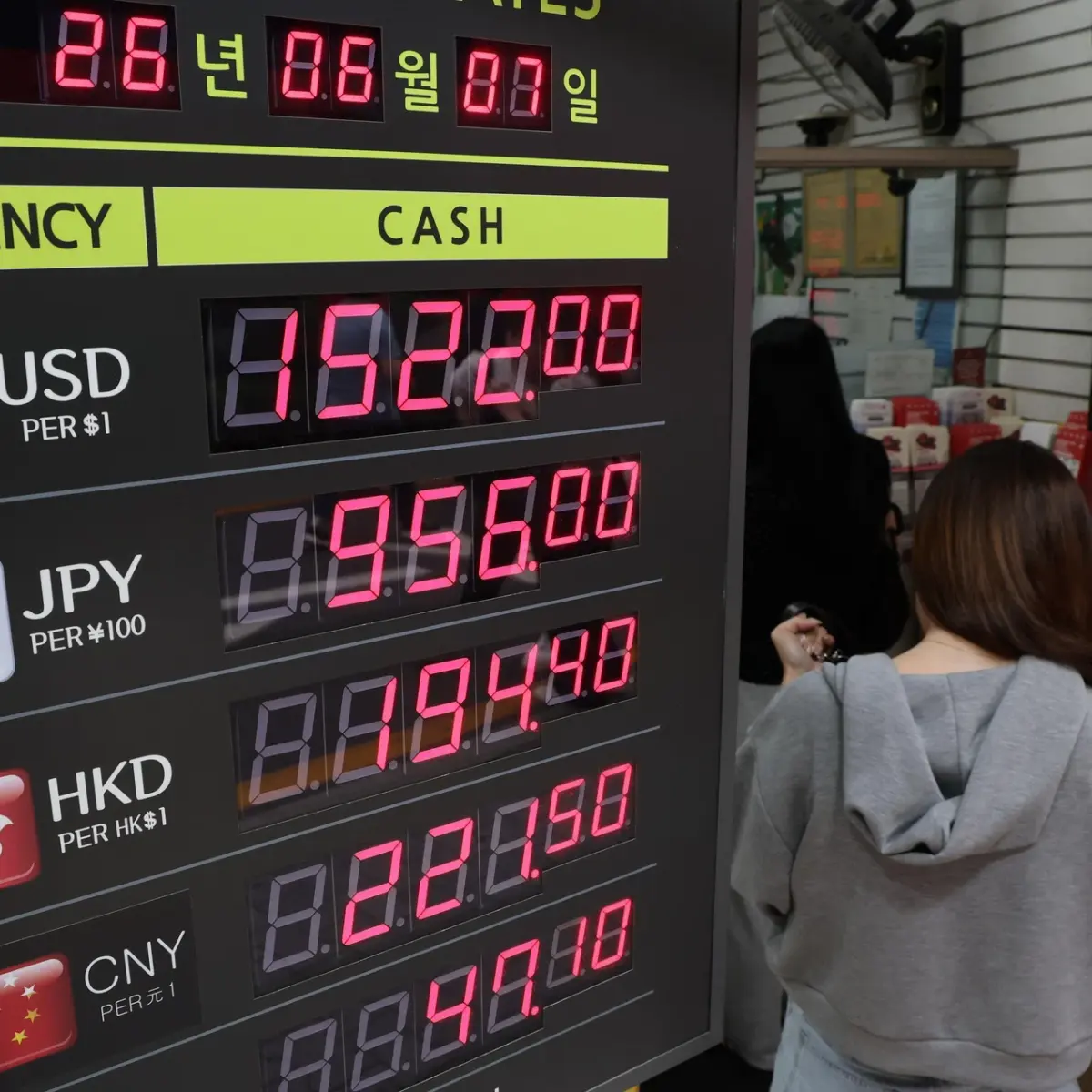
PORTALBERITA.CO.ID - South Korea initiated a crucial set of targeted interventions on Sunday, June 7, 2026, aiming to halt the accelerating decline of the national currency, the won. This decisive action followed the currency’s slide to its weakest valuation recorded since 2009, signaling serious governmental concern over exchange rate instability.
The urgent strategy, unveiled following high-level consultations, specifically vows to take firm action against speculative trading and any activities deemed to be amplifying recent sharp fluctuations in the market, as reported by Businesstimes. This effort underscores the administration's commitment to maintaining financial stability amidst regional headwinds.
The crisis meeting assembled key economic leaders to formulate the response, bringing together Deputy Prime Minister and Finance Minister Koo Yun-cheol, Bank of Korea governor Shin Hyun-song, Financial Services Commission chairman Lee Eok-won, and Financial Supervisory Service (FSS) governor Lee Chan-jin. This collective action highlights the severity of the currency pressure being faced domestically.

The backdrop to this intervention was a significant slump in the won, which had dropped as much as 2 percent to reach 1,562.2 against the US dollar during Friday’s trading session. This level represented the currency’s lowest point in more than a decade, driven partly by regional currency weakness and a strengthening dollar.
Policymakers across Asia are currently intensifying efforts to support their respective currencies amid rising geopolitical tensions and escalating energy costs. These external pressures have compounded the challenges facing the South Korean won in the global financial landscape.
The authorities issued a clear warning regarding market behavior during the emergency review. "We will not tolerate excessive volatility or one-sided moves," said officials, emphasizing that speculative transactions were observed to be accelerating herd behavior in the markets.

The newly unveiled response plan encompasses several stringent mechanisms, including tighter scrutiny of offshore currency derivatives and thorough investigations into any potentially illegal foreign exchange transactions. Regulators also plan to inspect trading in offshore non-deliverable forwards to bolster overall market transparency.
Furthermore, the central bank and the FSS are mandated to conduct targeted inspections to ascertain if speculative activity or suspected market manipulation fundamentally contributed to the won’s recent weakness. Officials will also verify if exporters and importers illegally manipulated payment timings to capitalize on the depreciation.
Deputy Prime Minister Koo Yun-cheol stressed the government's proactive stance moving forward. "We will maintain a high degree of vigilance to prevent anxiety from spreading," said Koo, who vowed to "take prompt, necessary measures in case of excessive market moves" as reported by Businesstimes.