PORTALBERITA.CO.ID - The weakening exchange rate of the Indonesian Rupiah against the US Dollar is now exerting a considerable impact on the non-official automotive sector, particularly within the Bekasi region of West Java. This currency depreciation is directly translating into increased operational costs for local repair businesses.
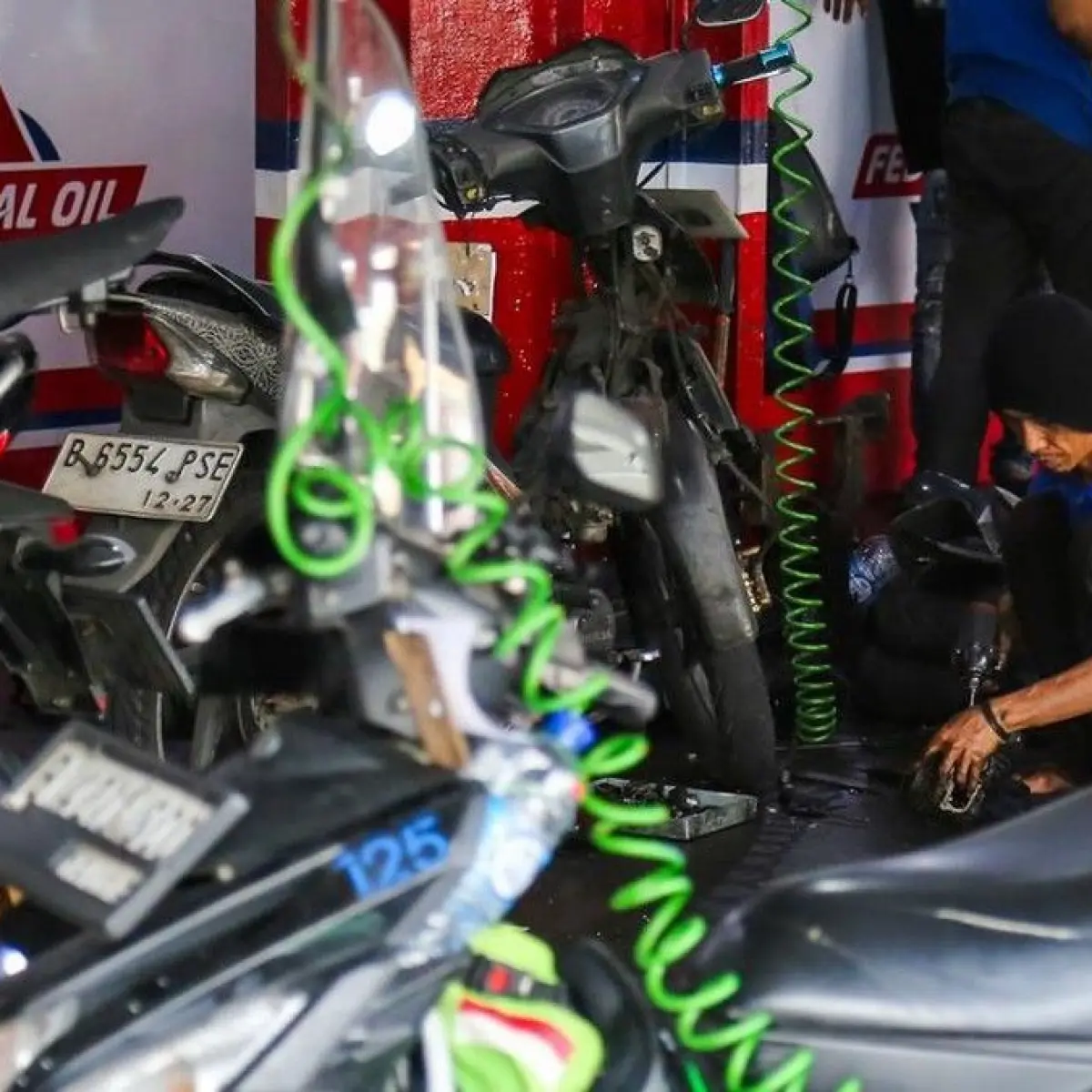
Small, independent automotive workshops in areas like Kranji, Bekasi, have been experiencing a noticeable downturn in business activity over the past month. This slowdown is a direct consequence of the rising price tags associated with essential capital goods and spare parts used daily.
The primary driver behind these escalating costs is the fluctuating exchange rate of the US Dollar, which has reportedly breached the IDR 17,800 mark. This financial pressure is subsequently inflating the retail prices of crucial items such as engine oils and tires used for vehicle maintenance.

As reported by Detik Oto, the elevated exchange rate is the principal factor causing this inflationary trend within the spare parts market. This dynamic forces workshops to reconsider their pricing structures for consumers.
The direct result of these higher material costs is a noticeable dampening of consumer purchasing power when it comes to necessary vehicle repairs. Customers are seemingly postponing non-essential maintenance due to the elevated expense.
"The decline in vehicle repair activity has been felt by general workshops in the Kranji area for approximately the last month," reflecting the immediate market reaction to economic shifts. This statement summarizes the temporal impact felt by the local business owners.

The rise in the cost of imported or dollar-pegged components automatically pushes up the overall expenditure for running an independent garage. This financial squeeze challenges the sustainability of these smaller enterprises.
According to Detik Oto, the surge in prices is intrinsically linked to the US Dollar's exchange rate hovering around the IDR 17,800 level. This specific economic indicator pinpoints the severity of the current challenge facing repair services.
Consequently, workshops are facing a dual problem: increased overheads coupled with fewer customers willing or able to absorb the resulting higher service charges. This situation demands careful navigation by local mechanics.