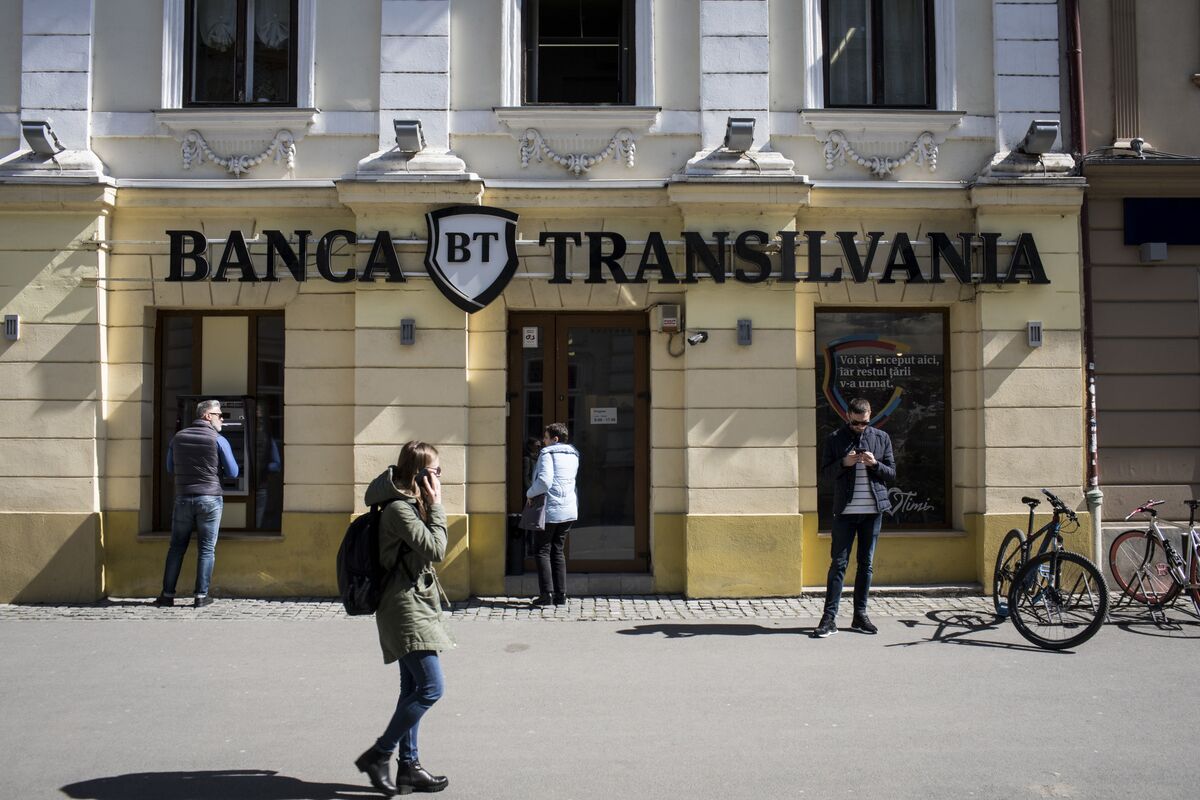
PORTALBERITA.CO.ID - Financial markets across Romania experienced notable upheaval this week, primarily stemming from a significant regulatory action impacting the stability of the local banking sector. This instability was immediately reflected in the sharp decline of the stock value belonging to the nation's largest banking institution.
The critical trigger for this market distress was the imposition of a record-breaking financial penalty by Romania’s competition watchdog. This substantial monetary sanction targeted alleged illicit activities that undermined fair competition within the country's financial infrastructure.
Specifically, the regulatory enforcement action follows a deep investigation into suspected collusion among major financial entities operating within Romania. The core allegation revolves around the coordinated setting of crucial interbank money-market rates.

These interbank rates serve as essential benchmarks that dictate the cost of lending and borrowing across the entire Romanian economy. Any manipulation of these benchmarks can have far-reaching consequences for businesses and consumers alike.
As reported by NEWS.AOT-AI.IO, the penalty represents a landmark decision, signaling a heightened regulatory focus on maintaining transparent and competitive practices among the country's dominant financial players. This action underscores the watchdog's commitment to market integrity.
The investigation sought to determine the extent to which these major banks may have coordinated their pricing strategies, thereby artificially influencing the cost of money in the system. This process is central to understanding the rationale behind the historic fine.

According to NEWS.AOT-AI.IO, the imposition of such a substantial penalty is intended to serve as a strong deterrent against future anti-competitive behavior within the Romanian banking landscape. The regulatory body aims to restore confidence in benchmark integrity.
The immediate aftermath saw significant investor reaction, as the market absorbed the implications of potential systemic misconduct within one of the country's most crucial financial pillars. This scrutiny is expected to continue as the sector digests the ruling.
The decision highlights an ongoing global trend where regulatory bodies are taking increasingly aggressive stances against financial institutions suspected of cartel-like behavior related to setting key economic reference points. This is a critical development for regional financial governance.