PORTALBERITA.CO.ID - A notable variance in the annual Motor Vehicle Tax (PKB) burden for the upcoming 2026 model year Toyota Avanza has been identified when comparing calculations between East Java and the Special Capital Region of Jakarta. This financial disparity underscores the ongoing impact of localized fiscal policies on vehicle ownership costs across Indonesia.
The primary driver behind this difference in annual tax expenditure is the autonomous authority granted to each Regional Government (Pemda) to set their own specific tax rates. This autonomy creates inherent inconsistencies in taxation, even when dealing with identical assets.
This situation arises despite the fact that the official Motor Vehicle Sale Value (NJKB) for the exact same model—the 2026 Toyota Avanza—is largely standardized across the country. The variation, therefore, is purely a function of local regulatory implementation, not the vehicle's base value.
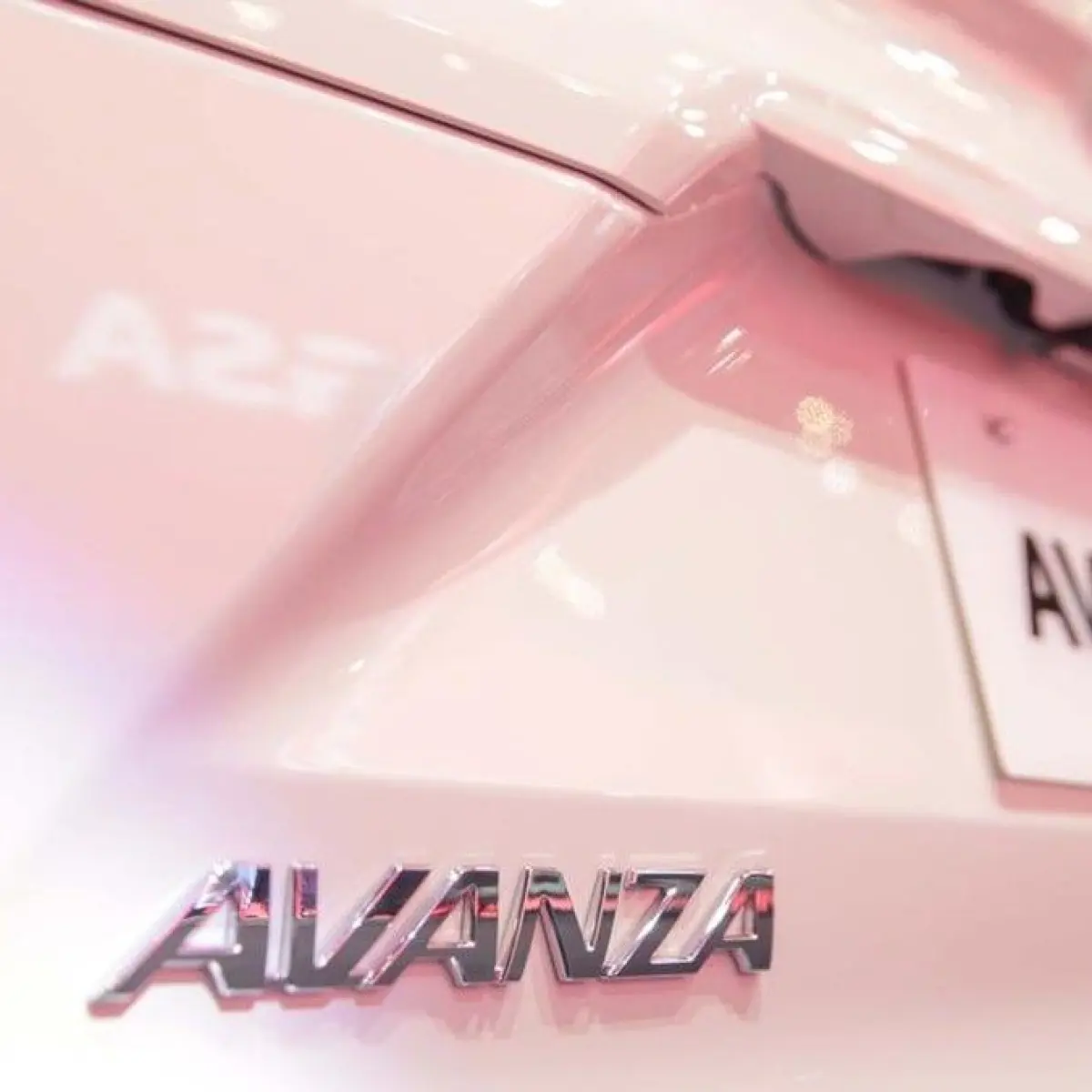
As reported by BOGORPLUS.ID, the foundational figure for these calculations is established by ministerial decree, setting a baseline for valuation. Specifically, the lowest determined sale value for the Toyota Avanza model in question is stipulated to be Rp 185 million.
This standardized NJKB figure, as set forth in the Regulation of the Minister of Home Affairs Number 11 of 2026, serves as the initial benchmark. It is against this consistent value that each provincial government then applies its unique local tax percentage.
What this means for consumers is that the 'where' of vehicle registration significantly impacts 'how much' they pay annually, illustrating the real-world effects of decentralized governance on household finance. The difference highlights a critical consideration for potential vehicle purchasers moving between provinces.
The core of the issue revolves around how regional autonomy dictates the final financial responsibility of the vehicle owner. This mechanism allows provincial legislatures to adjust tax rates to align with their local budgeting needs and priorities.
Therefore, prospective owners must thoroughly investigate the specific PKB rates implemented by the local administration where they plan to register the vehicle, as this crucial step determines the long-term operational cost. The comparison clearly favors East Java residents over their counterparts in Jakarta concerning this specific tax obligation for the 2026 model.




.png)