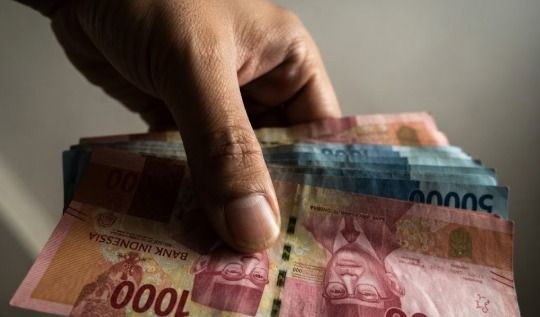
PORTALBERITA.CO.ID - The recent surge in the price of Pertamax, the RON 92 type of subsidized fuel, has become a significant public concern across Indonesia. This price adjustment has brought the cost close to the threshold of Rp 4,000 per liter, drawing immediate attention from consumers nationwide.
This notable increase in operational expenditure is widely anticipated to impose considerable strain on the daily budgets of private vehicle owners. Specifically, those relying on four-wheeled transportation are feeling the immediate financial pinch of the revised pricing structure.
The core question now being debated among transportation analysts concerns potential shifts in daily commuting preferences among the populace. This situation necessitates an examination of whether economic pressures will force a change in established travel habits.
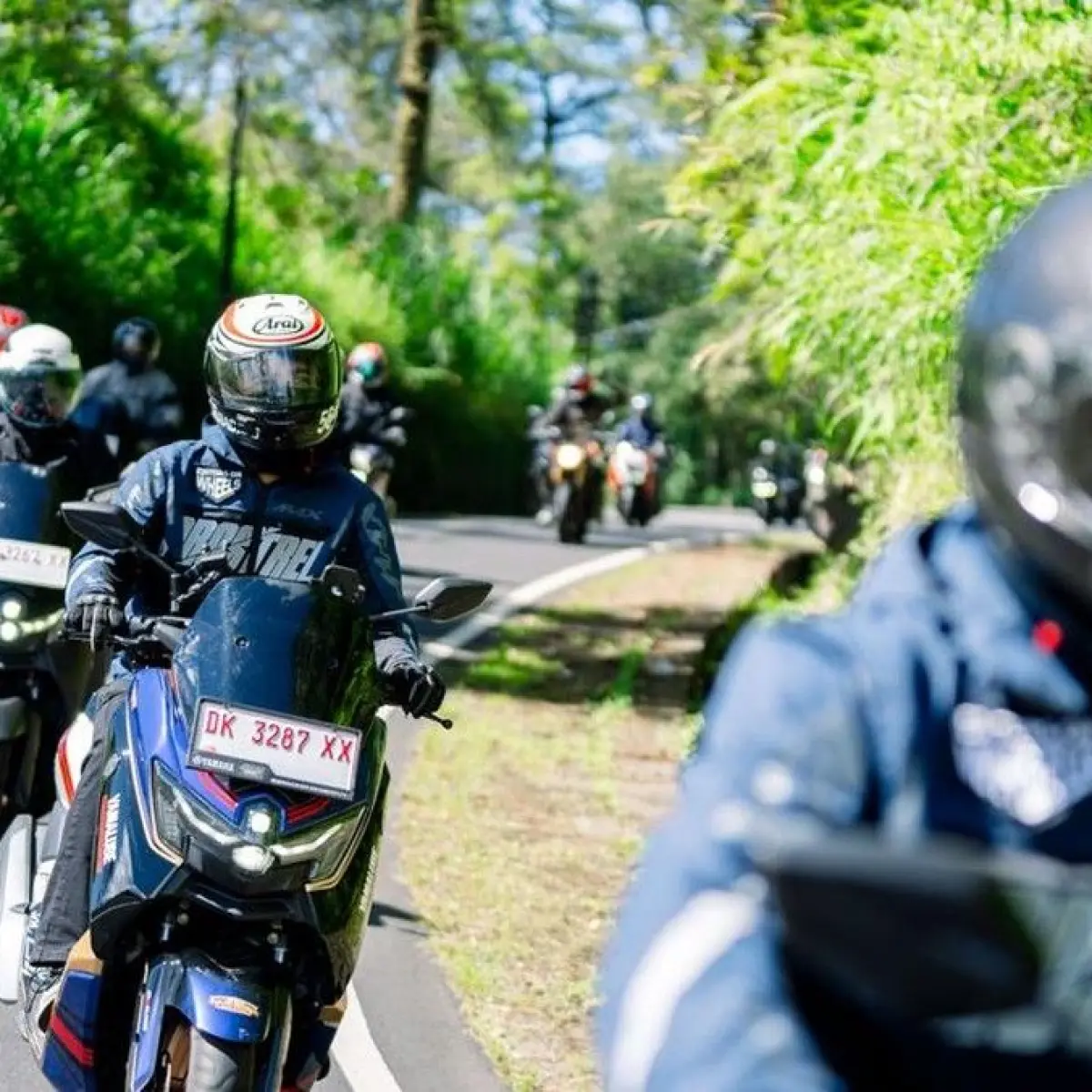
What is being closely monitored is the possibility of a mass exodus from private cars toward two-wheeled vehicles as a direct response to the rising fuel costs. This potential migration is rooted in the search for more cost-effective operational alternatives.
As reported by Detik Oto, this specific phenomenon—the rising cost of Pertamax—is viewed as a catalyst that could accelerate the shift in transportation modality. The economic viability of motorbikes compared to cars is central to this analysis.
The analysis suggests that higher fuel prices inherently push commuters towards options that offer superior fuel economy for their daily routes. Motorbikes inherently require less fuel, making them an attractive substitute under inflationary conditions.
"The phenomenon of rising fuel prices is assessed to potentially trigger the migration of private car users toward motorcycles as a more operationally efficient transportation alternative," according to a narrative derived from Detik Oto. This observation highlights the direct link between energy costs and mobility choices.
This situation, unfolding recently in areas such as Bogor (where reports originated), signifies a crucial moment for Indonesian consumers navigating increased living costs. The coming months will reveal the true extent of this potential behavioral change.
The "Why" behind this speculation rests firmly on the principle of minimizing recurring variable costs associated with daily travel. For many, the choice between a car and a motorcycle is now a matter of budgetary survival rather than mere convenience.