PORTALBERITA.CO.ID - The historical precedent for identifying disease sources dates back to 1854 when physician John Snow linked a severe cholera outbreak in London’s Soho neighborhood to a contaminated water pump. Despite prevailing theories of 'miasma' or bad air causing illness, Snow’s meticulous mapping proved the infection was waterborne, leading to the removal of the pump handle and halting the crisis.
This foundational approach remains central to modern epidemiology, as investigating outbreak origins helps prevent new infections and manages public apprehension, even after transmission ceases. Such inquiries are vital for developing robust strategies to preempt or effectively manage future health crises.
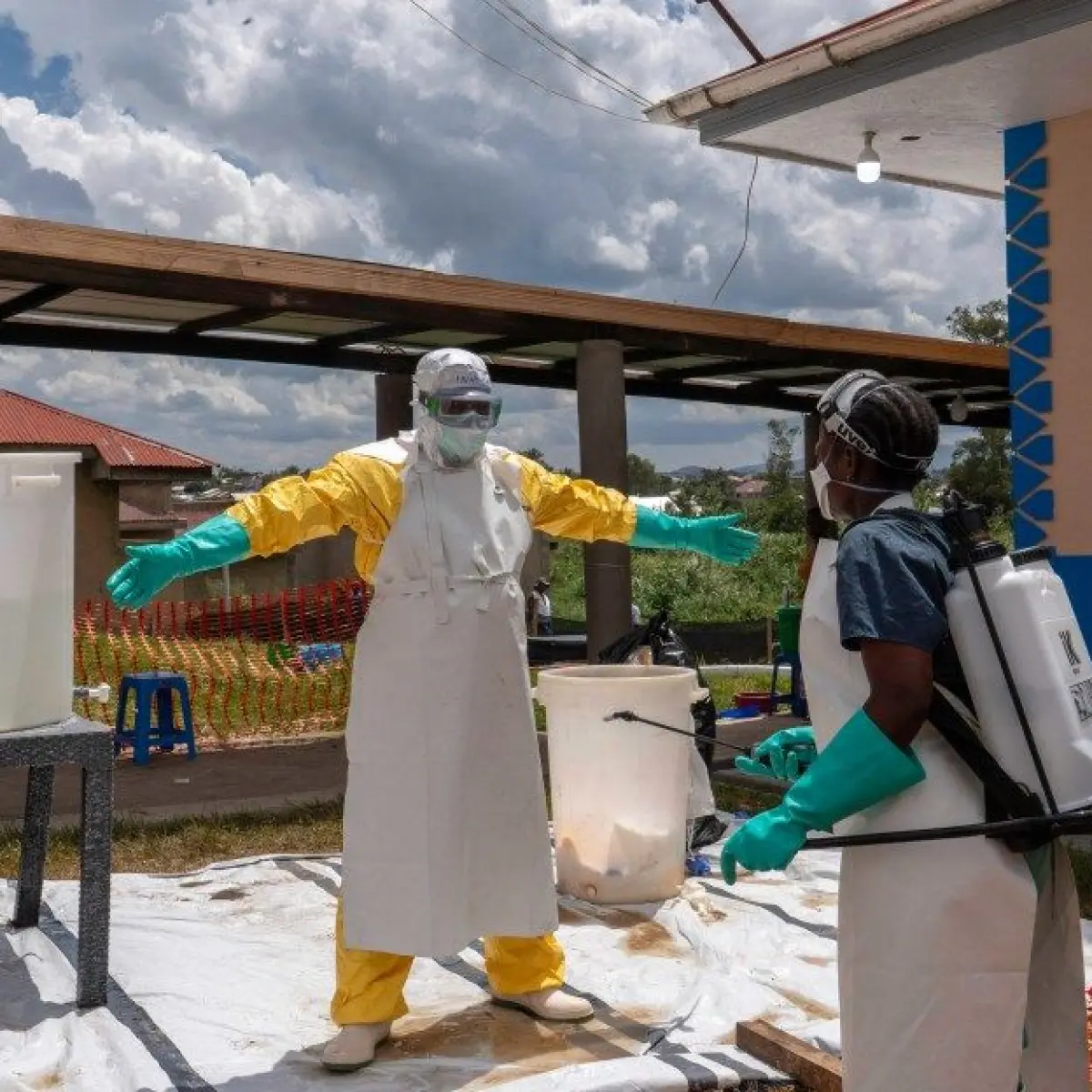
Two recent outbreaks—a hantavirus event and the ongoing Ebola crisis in the Democratic Republic of the Congo (DRC)—highlight both the necessity and the current difficulties in tracing these origins. As of June 2, 2026, the Ebola outbreak in the DRC had resulted in 62 deaths and 363 confirmed cases, prompting the WHO to declare a public health emergency of international concern on May 17.
The current Ebola outbreak, the 17th in the DRC, has also spread to neighboring Uganda, complicating containment efforts. Investigators have yet to pinpoint 'patient zero' or the definitive starting point of this outbreak, which may have begun as early as January, even though the first confirmed case, a healthcare worker in Bunia, died on April 24.
Dr. Abdou Sebushishe, working with the International Medical Corps in Goma, DRC, shared insights on the difficulties faced by responders. "He estimated that it may be more than six months before the outbreak could be controlled, given that the disease is outpacing the current response," as reported by CBS News.
A significant challenge in the DRC involves the Bundibugyo strain of Ebola, which is relatively rare and genetically distinct, leading to initial testing failures for more common variants. Furthermore, ongoing conflict within the DRC severely impedes crucial contact tracing efforts, a delay exacerbated by the lack of approved therapeutics or vaccines for this strain.

In contrast, while investigators identified the index case of the 2014-2016 West Africa Ebola epidemic—a toddler in Guinea—determining how that child contracted the virus remains uncertain, possibly involving contact with infected fruit bats or their droppings.
The effort to trace origins, while sometimes leading to international friction like that seen during the Covid-19 pandemic, is fundamentally about informing response strategies, not assigning blame. Knowing the source identifies high-risk areas and dictates how public health officials monitor a disease, as demonstrated by the 2015 Legionnaires’ disease outbreak in New York City.
During the NYC Legionnaires’ incident, initial contact tracing failed to reveal a common exposure, but investigators ultimately tested 55 cooling towers in the South Bronx. "They identified the source: a single cooling tower atop the Opera House Hotel," according to reports detailing the investigation.