PORTALBERITA.CO.ID - Global financial confidence in Indonesia is visibly eroding under the administration of President Prabowo Subianto, prompting urgent calls for decisive action from local authorities. This sentiment shift follows a severe sell-off that dramatically impacted the nation's equity markets and currency value in recent weeks.
What specific actions are required? Analysts insist that verbal assurances are insufficient; the market now demands concrete policy guidance and demonstrable steps to restore stability. The immediate future hinges on upcoming key economic events scheduled for later this month.
When will the market look for definitive signs? Market participants are currently adopting a cautious "wait-and-see" posture ahead of Bank Indonesia’s crucial interest rate meeting scheduled for June 18. Furthermore, investors are keenly awaiting MSCI’s review concerning Indonesia's overall investment standing later in June.

Why is the uncertainty growing? Compounding the economic worries are persistent rumors surrounding a potential reshuffle among key economic policymakers, which only serves to heighten market anxiety. This follows confusion over new regulations concerning commodity exports and renewed scrutiny of Indonesia’s sovereign credit profile.
How severe has the market correction been? The benchmark stock index has plummeted nearly 39 percent from its recent high, making it the weakest performer globally tracked by Bloomberg this year. Last week alone marked the index's worst performance in over four years, signaling deep investor alarm.
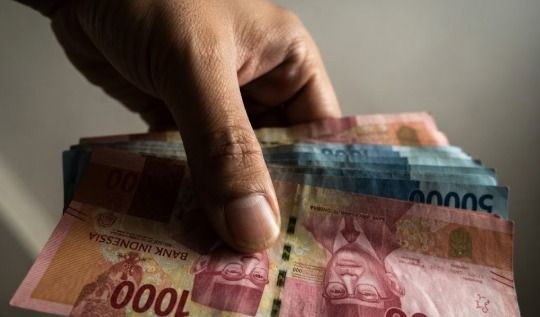
Simultaneously, the Indonesian rupiah has suffered significantly, weakening roughly 8 percent and claiming the title of Asia’s worst-performing currency in 2026. The currency breached the psychologically significant 18,000 level against the US dollar last week, hitting multiple record lows in the process.

Who is attempting to stabilize the situation? Bank Indonesia Governor Perry Warjiyo and Finance Minister Purbaya Yudhi Sadewa jointly addressed the Parliament on Saturday, promising coordination to maintain market liquidity and bolster capital inflows. They also announced that BI would increase the interest rate offered on government deposits held at the central bank.
"The statement on Saturday can be a start to reduce market pressures but it’s still not enough to sustainably turn the market direction," said Josua Pardede, chief economist at Bank Permata in Jakarta.
According to Josua Pardede, the authorities must elaborate on the details of this remuneration rate, the volume of government deposits involved, and the resultant impact on BI’s operational costs and government borrowing. Otherwise, the market might perceive this as an undue blurring of the lines between fiscal and monetary policy, potentially negating any positive effect on the rupiah.