PORTALBERITA.CO.ID - The automotive market in China is currently witnessing dramatic price reductions spearheaded by Jaguar Land Rover for its lineup of gasoline-powered vehicles. This aggressive discounting strategy is a direct response by dealerships aiming to clear substantial, slow-moving inventory.
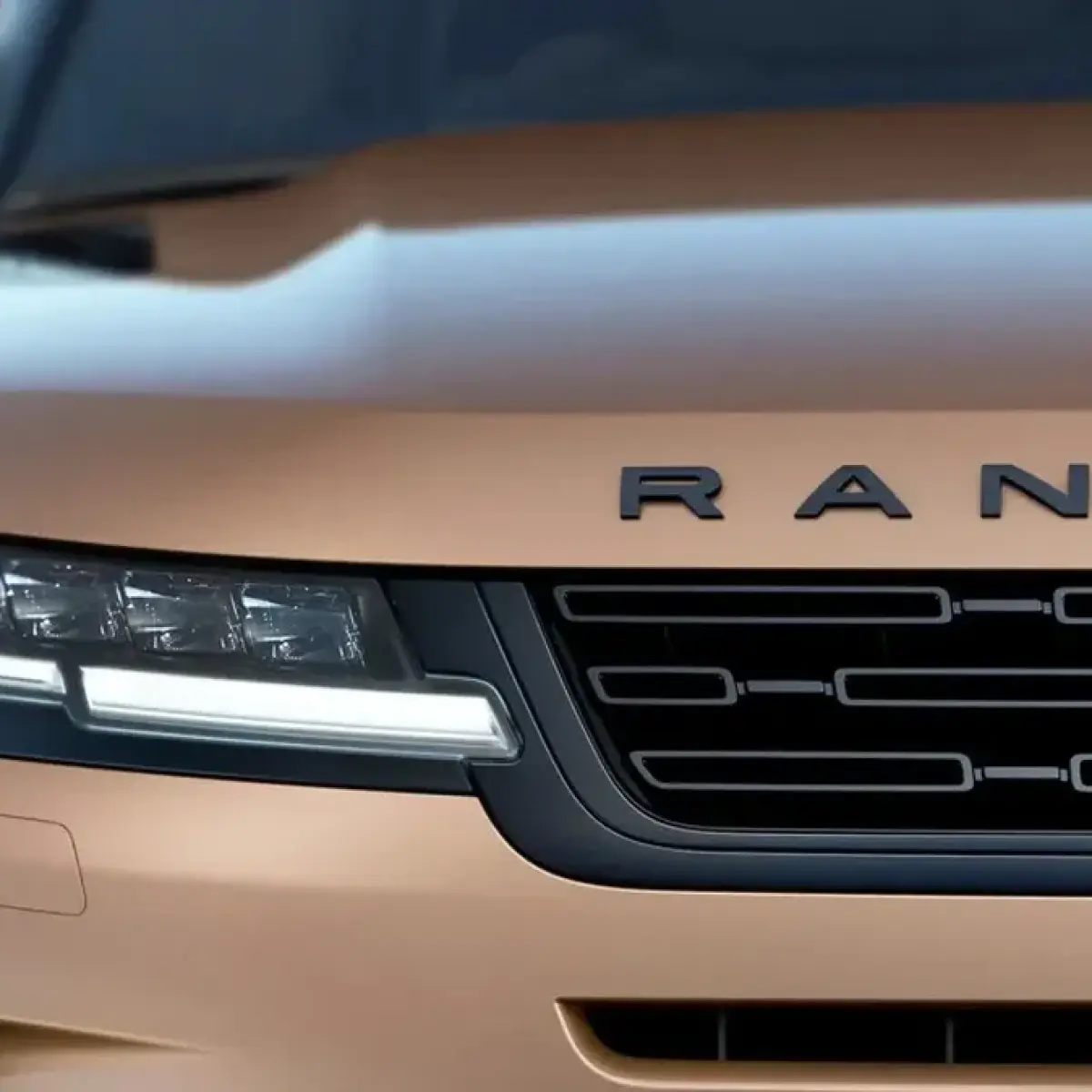
What is most notable is the staggering price cut applied to the Range Rover Evoque L model currently available on the market. According to reports, this luxury SUV is being offered at a significantly reduced price point to attract cash-strapped buyers.
Specifically, the Range Rover Evoque L is being marketed for just 179,800 yuan in the Chinese market. As reported by BOGORPLUS.ID, this figure translates to approximately IDR 470 million, based on the current exchange rate where 1 yuan equals IDR 2,638.

This deeply discounted selling price represents a massive reduction compared to the vehicle's official list price before the sale commenced. The official price point for the Evoque L stood at a considerable 429,800 yuan, which is equivalent to about IDR 1.13 billion.
The magnitude of the price adjustment is substantial, meaning buyers stand to save nearly IDR 600 million on a single unit purchase. This situation underscores the intense pressure facing traditional internal combustion engine (ICE) vehicle sales in the region.
Why are these deep cuts happening now? The primary catalyst is the overstock situation dealers are facing with traditional gasoline cars. They are compelled to liquidate these assets quickly to make way for newer models or adjust to shifting consumer preferences.
How deep is the price erosion? The current selling price of 179,800 yuan signifies a near 60 percent reduction from the original sticker price. This level of markdown is unusual for a premium brand like Range Rover, highlighting the urgency of the inventory issue.
Where is this price war unfolding? This significant market activity is localized within China, reflecting the specific competitive dynamics and regulatory environment governing new car sales there, according to BOGORPLUS.ID.
The situation reflects the broader global trend where legacy automakers are struggling to manage existing gasoline stock while transitioning toward electrification mandates and consumer demand for new energy vehicles.