PORTALBERITA.CO.ID - The Central Leadership Board of the Land Transportation Organization (DPP Organda) has expressed profound concern regarding the escalating queues for subsidized fuel across numerous regions in Indonesia. This recurring logistical bottleneck is significantly disrupting the smooth operations of various public transportation modes.
Specifically, the disruption is heavily felt by operators of Inter-City Inter-Provincial (AKAP) bus services, which rely heavily on consistent fuel supply to maintain their established schedules. The current situation is creating operational uncertainty for these vital transport links.
As reported by Detik Oto, the organization identifies that the issue of subsidized fuel supply remains a chronic problem plaguing vast areas of the country. These affected regions include Sumatra, Kalimantan, Sulawesi, Bali, and Papua.
The Secretary-General of DPP Organda noted the widespread nature of the problem, stating, "The issue of subsidized fuel supply remains a chronic problem occurring in the regions of Sumatra, Kalimantan, Sulawesi, Bali, and Papua," said Kurnia Lesani Adnan.
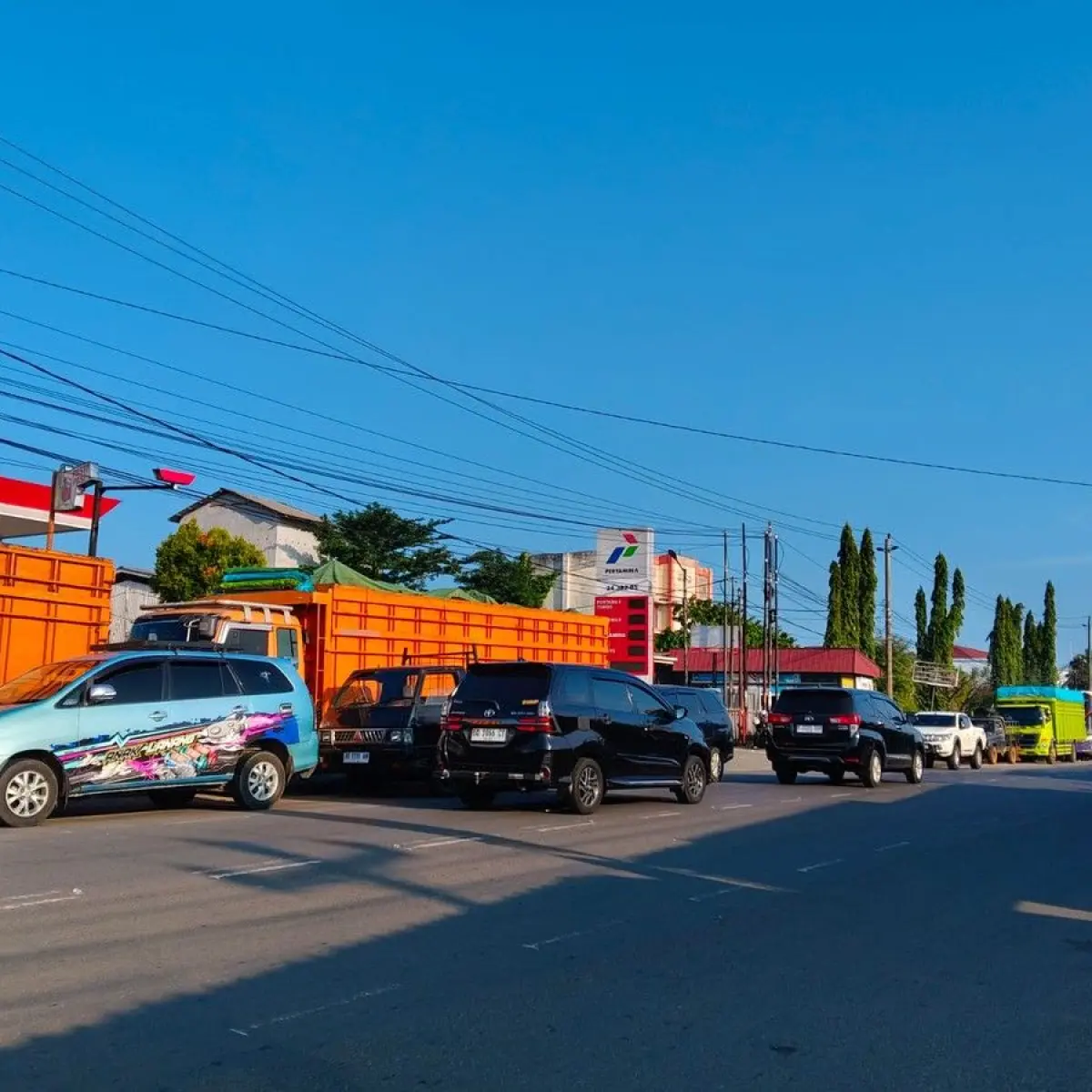
Long queues of vehicles at Public Fuel Stations (SPBUs) have become a distressingly common sight along major transport corridors. This is particularly evident across the eastern, western, and central routes of Sumatra, as well as within its urban centers.
Kurnia Lesani Adnan further elaborated on the underlying cause leading to these extensive delays at refueling stations. He explained that the volume of subsidized fuel delivered by Pertamina to these stations often fails to meet the actual sales demand required by local consumers and operators.

"The supply of subsidized fuel from Pertamina to the gas stations is often not commensurate with the sales volume needed at that location," explained Kurnia Lesani Adnan.
Organda is therefore strongly advocating for immediate and comprehensive systemic reform within the current subsidized fuel distribution mechanism. They believe only a total overhaul can address these persistent supply-demand imbalances effectively.
The organization hopes that by reforming the distribution structure, the chronic shortages plaguing key regions can be resolved quickly. This action is deemed crucial to ensure the continuity and reliability of essential public transportation services nationwide.