PORTALBERITA.CO.ID - Indonesia's domestic market for Battery Electric Vehicles (BEVs) experienced a significant downturn during May 2026, signaling immediate market impact from policy changes. This substantial decline marks the lowest monthly performance recorded for the year up to that point.
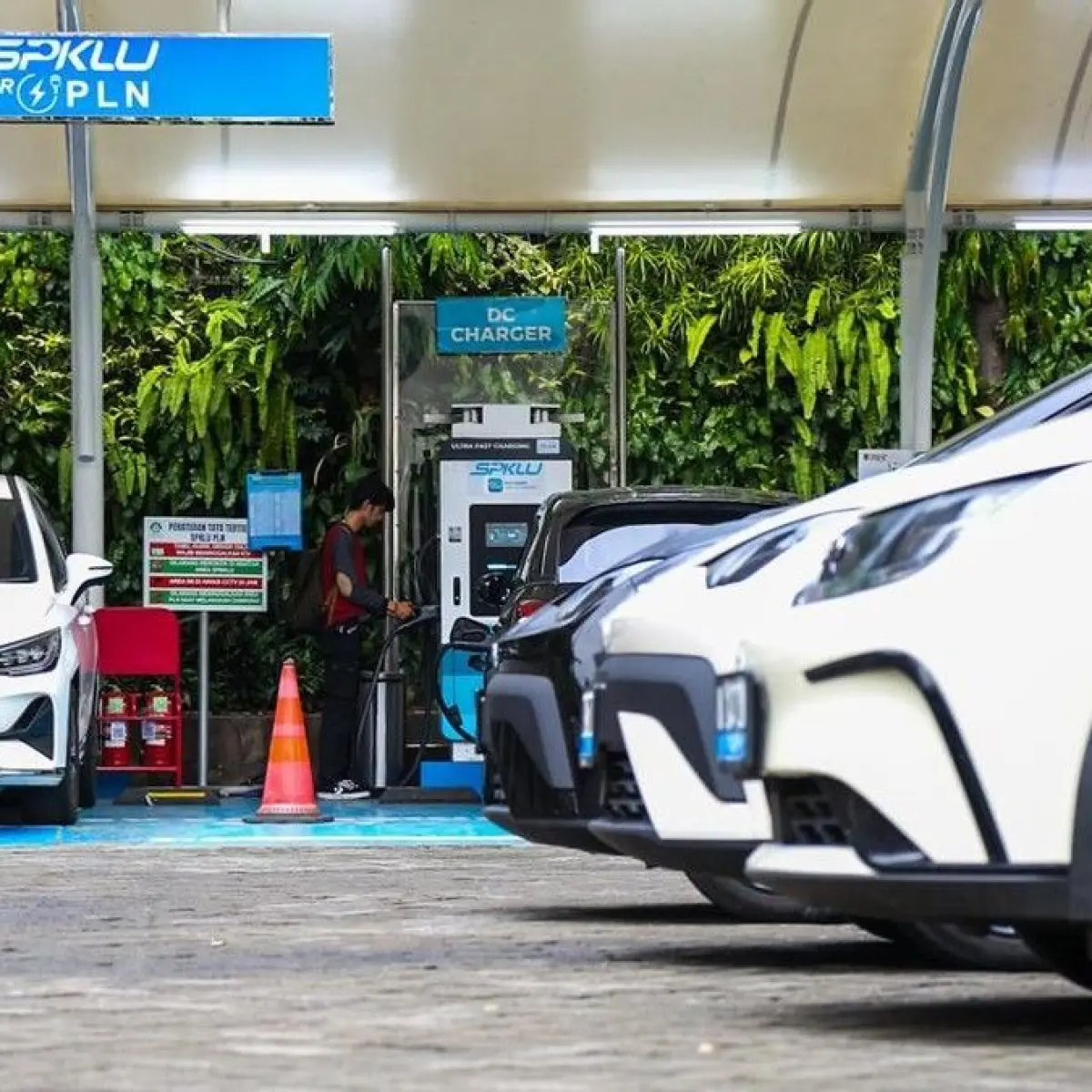
The total wholesales figure for BEVs in May 2026 registered a mere 9,290 units distributed across the nation. This drop contrasts sharply with the preceding month's performance, highlighting the sensitivity of the EV sector to supportive government policies.
This significant contraction in sales volume is directly attributed to the central government's postponement of scheduled incentives for electric vehicles. The delay created uncertainty among consumers and dealers, leading to a temporary halt in purchasing decisions.

As reported by Gabungan Industri Kendaraan Bermotor Indonesia (Gaikindo), these figures were officially compiled and released on June 11, 2026. This industry body remains the primary source for tracking domestic automotive market trends in Indonesia.
When analyzing the monthly comparison, the volume of electric car sales in May 2026 saw a steep decline of 37.34 percent compared to the figures recorded in April 2026. This quantitative shift underscores the immediate effect of the incentive uncertainty.
In April 2026, the market had shown robust activity, successfully distributing 14,825 units of electric vehicles into the Indonesian market. This performance serves as a benchmark against which the May downturn is measured.
"The total distribution of wholesales only reached 9,290 units," according to Gabungan Industri Kendaraan Bermotor Indonesia (Gaikindo). This figure confirms the severity of the sales retraction experienced midway through the year.
The context for this volatility is the uncertainty surrounding the disbursement of crucial financial support mechanisms intended to boost consumer adoption of new energy vehicles. Such delays often cause temporary market stagnation in emerging sectors.
Industry observers noted that the sharp month-on-month decrease illustrates the critical role government subsidies play in stimulating demand within Indonesia's rapidly evolving electric mobility landscape. Manufacturers are now likely closely monitoring future policy announcements.