PORTALBERITA.CO.ID - The Indonesian four-wheeled automotive market demonstrated clear signs of deceleration throughout May 2026, marking a challenging period for domestic vehicle sales. This slowdown was attributed to a confluence of factors impacting consumer confidence and purchasing decisions across the archipelago.
Consumer behavior shifted towards increased caution, leading many prospective buyers to postpone significant expenditures, such as purchasing new vehicles. Furthermore, fluctuations in the exchange rate of the Indonesian Rupiah added an element of financial uncertainty to the market dynamics.
This deceleration in sales performance was officially acknowledged by the Indonesian Automotive Industries Association (Gaikindo). The organization highlighted regulatory ambiguity surrounding forthcoming government assistance programs as a primary impediment to immediate transaction finalization.
As reported by Gaikindo, "the uncertainty of regulations related to government assistance became the main trigger for prospective buyers to hold back their transactions." This hesitation directly translated into reduced transaction volumes throughout the month.
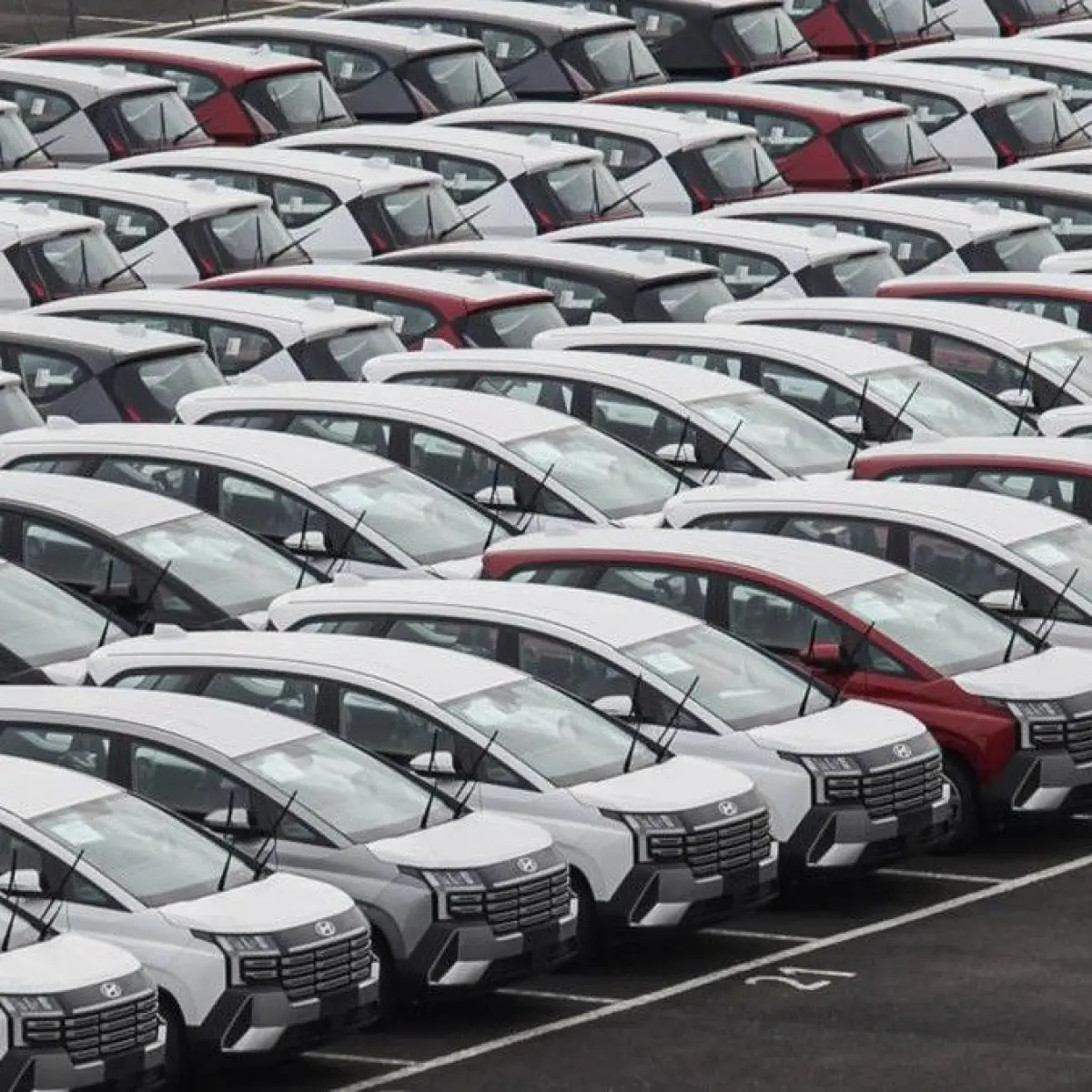
The impact of this cautious market environment was starkly visible when analyzing wholesale data, which tracks vehicle shipments from manufacturing plants to dealerships nationwide. This specific metric serves as a crucial barometer for the health of the upstream automotive sector.
Wholesale figures recorded a significant month-on-month contraction, plummeting by 14.3 percent compared to the preceding period. This decline saw deliveries fall to just 69,219 units in May 2026.
This output contrasts sharply with the performance recorded in April 2026, when the wholesale volume successfully reached 80,779 units before the market cooled down. The substantial drop underscores the immediate effect of prevailing economic uncertainties.
According to Gaikindo, "the uncertainty of regulations related to government assistance became the main trigger for prospective buyers to hold back their transactions." This statement confirms the industry's view that policy clarity is paramount for stimulating market activity.
In summary, the Indonesian automotive industry in May 2026 faced headwinds from both macroeconomic pressures, like currency volatility, and specific policy delays, forcing a noticeable pause in consumer purchasing activities.