PORTALBERITA.CO.ID - The Constitutional Court (MK) in Indonesia has recently rejected a judicial review petition filed by university students concerning the severity of criminal sanctions imposed on road administrators whose negligence results in infrastructure damage and subsequent accidents. This legal challenge aimed to reassess penalties deemed insufficient by concerned parties.
The core legal basis for penalizing negligent road operators is stipulated within Article 273 of Law Number 22 of 2009 concerning Road Traffic and Transportation (UU LLAJ). This specific legislation outlines varying degrees of punishment based on the seriousness of the consequences arising from poorly maintained road conditions.
As reported by BOGORPLUS.ID, Indonesian law currently provides for either criminal penalties or substantial fines when road administrators fail to promptly repair hazardous infrastructure, which subsequently causes traffic incidents. However, various stakeholders have consistently argued that the current statutory threat remains too lenient for the potential harm caused.
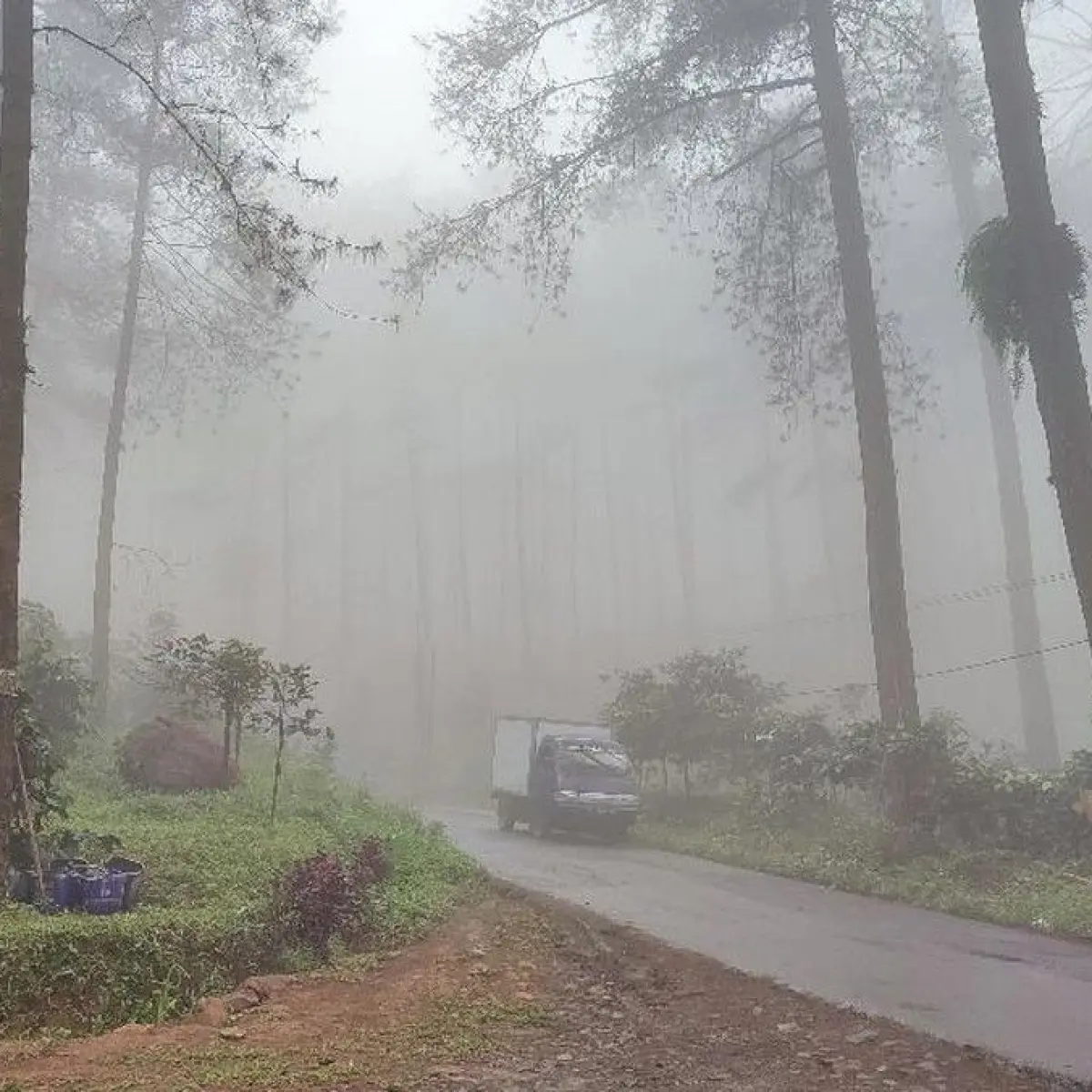
Specifically addressing minor incidents, Article 273, paragraph (1) of the UU LLAJ addresses cases where neglected road damage leads only to minor injuries or vehicle damage. For such instances, the prescribed penalty is a maximum prison sentence of six months or a fine not exceeding Rp 12,000,000.
The students who brought the case to the court argued that these existing sanctions do not adequately reflect the public safety risks associated with infrastructure failure. They sought a judicial interpretation that would mandate stricter accountability measures for public officials overseeing road maintenance.
According to BOGORPLUS.ID, the court's decision effectively upholds the existing framework within the UU LLAJ regarding penalties for road negligence. The petitioners were hoping for a ruling that would strengthen deterrence against official dereliction of duty concerning critical public assets.

The legal challenge was mounted in the context of recurring public frustration over accidents attributed directly to poorly maintained national and regional roadways across the archipelago. These incidents frequently highlight gaps in regulatory enforcement and administrative oversight.
This ruling confirms the current legal standing on the matter, meaning any substantial revision to the severity of the criminal sanctions against responsible road management entities would now require legislative action by the Indonesian Parliament, rather than judicial review.