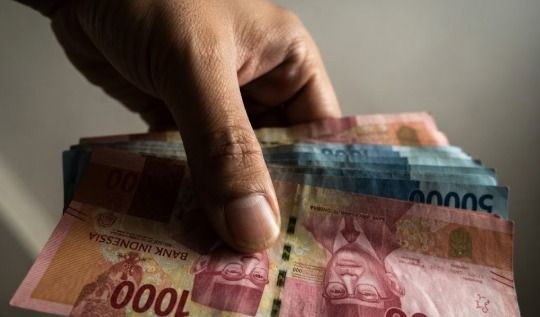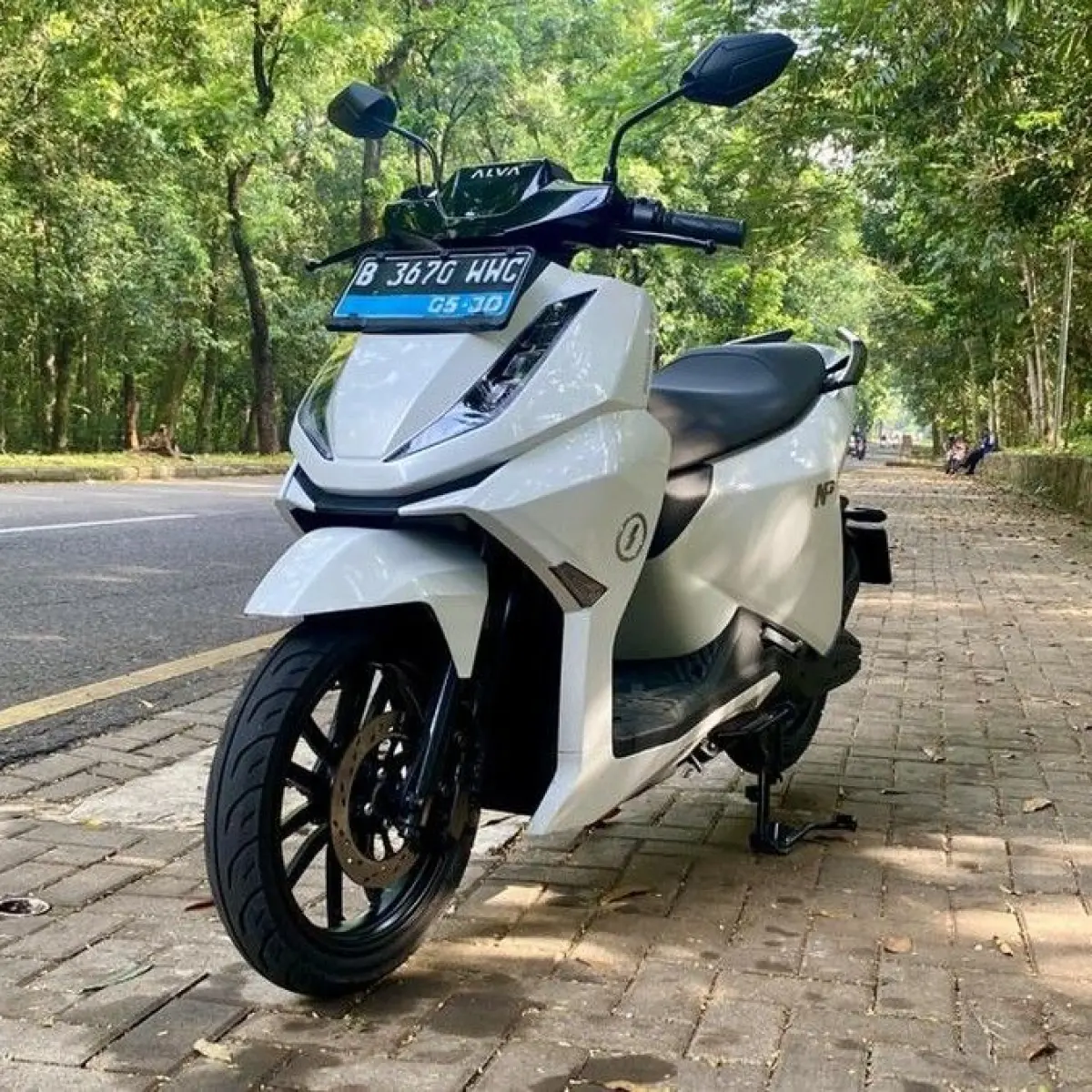
PORTALBERITA.CO.ID - The Indonesian government has officially confirmed the postponement of the previously scheduled incentive program designed to spur the purchase of electric vehicles (EVs). This unexpected delay has immediately sparked robust discussions regarding alternative strategies needed to nurture the burgeoning national electric vehicle ecosystem.
This decision to table the direct financial incentives is reportedly prompting stakeholders to reconsider the critical role of non-fiscal policies. Industry leaders argue that developing robust supporting infrastructure is equally vital for maturing the nation's EV environment.
The automotive sector, while acknowledging the government's decision-making process, is now shifting focus toward these necessary structural supports. This pivot suggests a strategic realignment toward long-term foundational development rather than immediate consumer subsidies.
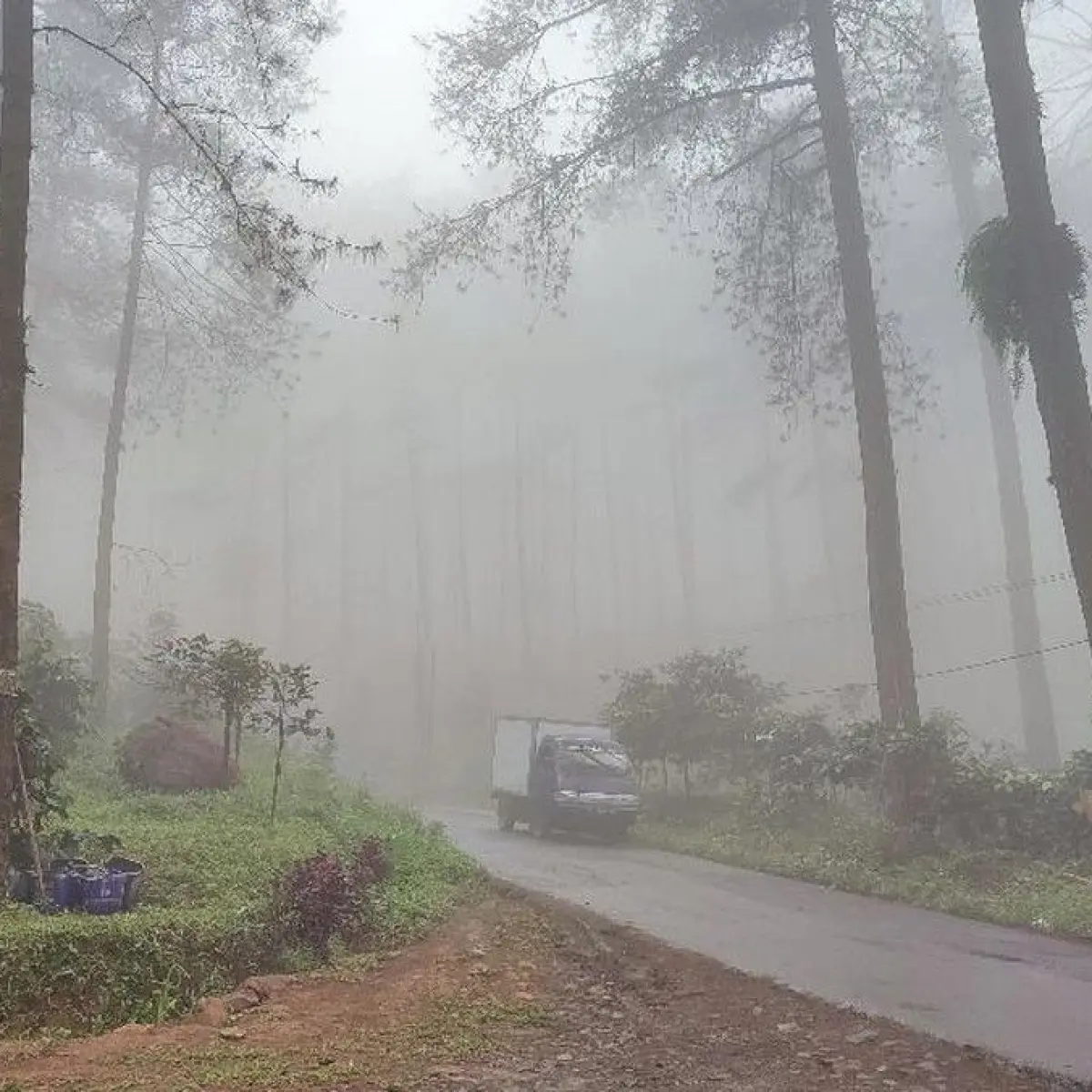
According to Putu Swaditya Yudha, Chief Marketing Officer of Alva, the administration likely has sound reasoning behind this timing adjustment. This statement was made during an interview conducted in Kebayoran Baru, South Jakarta, on Tuesday, June 23, 2026.
"I believe the government has its own considerations for launching the incentive program," said Putu Swaditya Yudha.
Furthermore, industry voices are now actively encouraging policymakers to examine successful international models, specifically citing the comprehensive approach adopted by India. This suggests a desire for blueprints that integrate regulatory frameworks with infrastructure build-out.
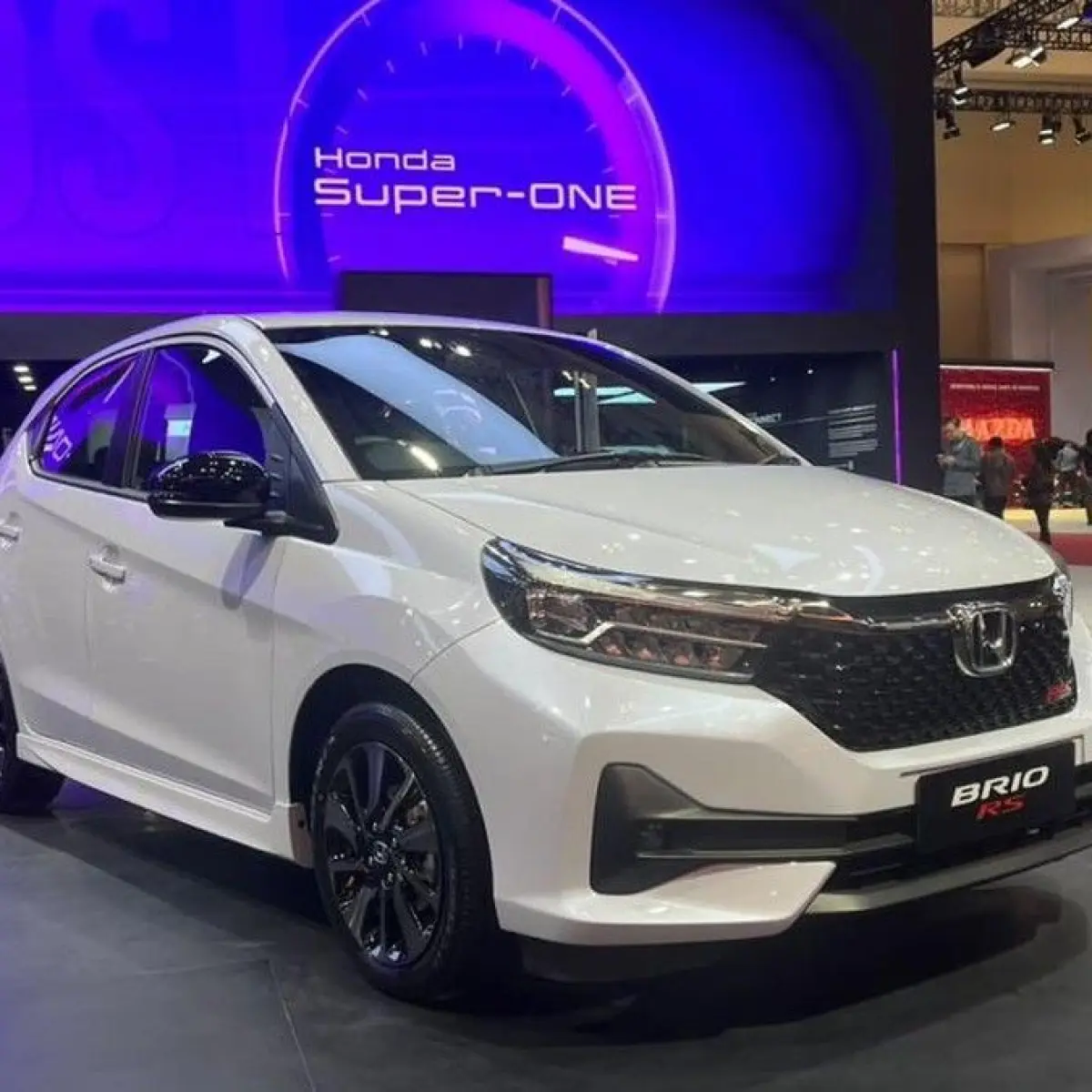
The industry's push for non-fiscal measures emphasizes areas such as charging station deployment, battery recycling frameworks, and standardization across the supply chain. These foundational elements are deemed essential before mass consumer adoption can be effectively supported by direct monetary aid.
As reported by Alva executives, the current focus remains on ensuring that the necessary groundwork is firmly established. This proactive stance aims to prevent future incentive programs from failing due to inadequate supporting infrastructure nationwide.