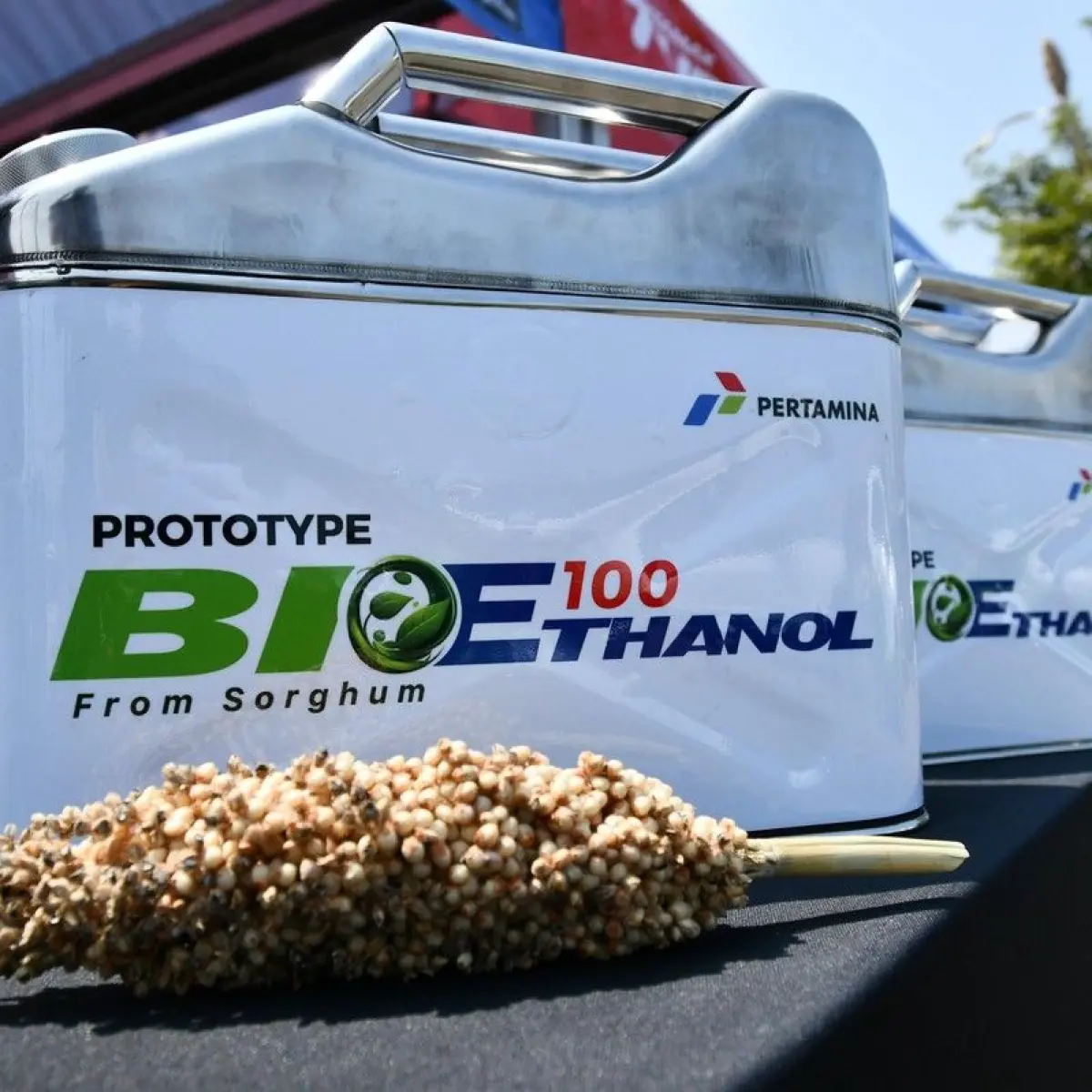
PORTALBERITA.CO.ID - The Indonesian government is actively preparing for the crucial testing phase of an alternative fuel standard utilizing a 20 percent bioethanol blend, commonly known as E20. This initiative forms a key component of the nation's broader national energy strategy aimed at significantly increasing the adoption of renewable sources within the transportation sector.
The official target date for commencing the operational trials of this E20 bioethanol blend has been firmly set for the year 2028. This timeline reflects a carefully managed, phased transition approach mandated by the government, which prioritizes implementing lower-concentration blends before advancing to higher mixes.
As reported by BOGORPLUS.ID, this move toward testing E20 complements other significant governmental efforts already underway in the energy diversification landscape. Specifically, this follows the planned rollout of the B50 biodiesel standard.
The B50 program involves blending diesel fuel with palm oil derivatives in a precise 50:50 ratio, which is scheduled for launch on July 1st. This dual focus underscores the government's deep commitment to diversifying the national fuel supply matrix away from solely fossil-based sources.
The development and testing procedures for the E20 blend are currently being finalized by relevant ministries and regulatory bodies. This preparation stage involves extensive coordination with both energy producers and vehicle manufacturers to ensure compliance and infrastructure readiness.
The automotive industry is concurrently undertaking necessary assessments to guarantee that existing and future vehicle fleets can safely and efficiently operate using the higher ethanol content fuel. This involves updating engine management systems and material compatibility testing.
"The step to test E20 complements the government's previous plans to launch B50 biodiesel," stated an official source familiar with the energy transition roadmap. This highlights the sequential nature of Indonesia's biofuel adoption strategy.
The ultimate goal of introducing E20, following successful trials, is to substantially reduce the carbon footprint associated with domestic transportation fuels. This aligns Indonesia with global efforts to mitigate climate change impacts through sustainable energy adoption.
These coordinated efforts—the immediate B50 launch and the future E20 testing—signal a robust, forward-looking policy designed to secure Indonesia's energy independence while championing sustainable development goals.