PORTALBERITA.CO.ID - Gold prices registered a sharp increase immediately following the announcement that the United States and Iran have reached a preliminary agreement to de-escalate their ongoing military conflict. This significant geopolitical shift has simultaneously pressured global oil prices downward and alleviated widespread market anxiety concerning sustained inflation.
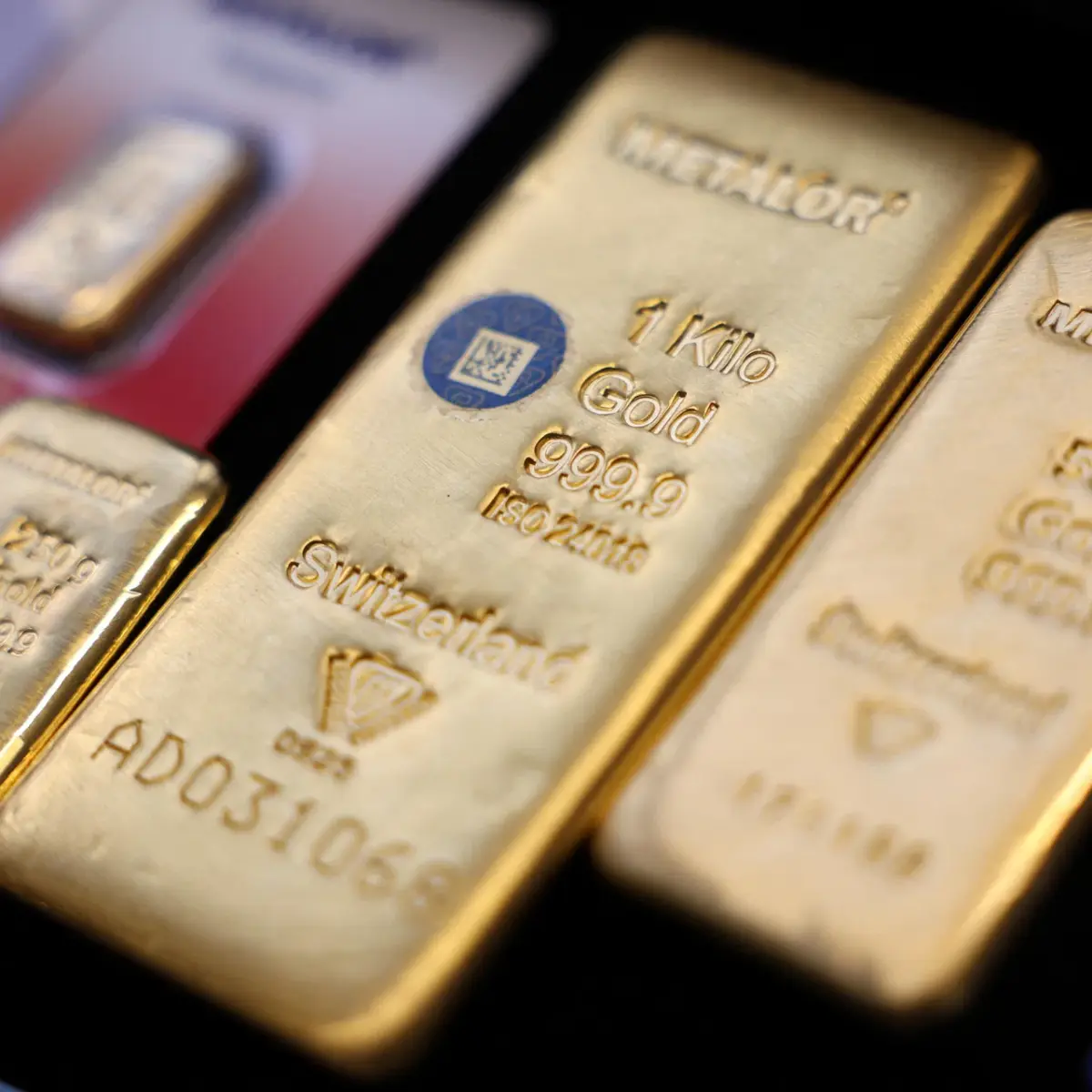
The benchmark for spot gold climbed by 2 per cent, reaching US$4,304.11 per ounce in Singapore trading, marking its highest valuation recorded since June 9. Furthermore, US gold futures contracts set for August delivery also appreciated by 2 per cent, closing the trading session at US$4,325.20.
What exactly does this preliminary framework entail? As reported by Businesstimes, the agreement established by US and Iranian authorities includes provisions to terminate the war and lift the American blockade imposed on Iran. Crucially, it also addresses the restoration of vital maritime transit through the Strait of Hormuz.

This diplomatic breakthrough was confirmed by Pakistani Prime Minister Shehbaz Sharif, who indicated that the official signing ceremony for the comprehensive pact is scheduled to take place in Switzerland. This location will serve as the venue for formalizing the cessation of hostilities between the two nations.
In the immediate aftermath of the announcement, the US dollar experienced a notable decline, hitting a 10-day low against major currencies. This weakening effect automatically reduces the purchase cost of dollar-denominated bullion for international investors holding currencies other than the greenback.
Global oil prices reacted strongly to the news, falling by more than 4 per cent as the reduced geopolitical risk factored into energy market expectations. "Lower oil prices and a softer dollar, stemming from reduced geopolitical risk and the anticipated reopening of the Strait of Hormuz, are helping to calm inflation expectations," stated Tim Waterer, chief market analyst at KCM Trade.

Mr. Waterer further elaborated on the immediate impact on the precious metals sector. "This combination is providing the precious metal with its best tailwind in recent weeks, though sustainability will depend on how durable the peace agreement proves to be," he added.
Prior to this positive development on June 15, 2026, gold values had contracted by approximately 20 per cent since the US-Israeli war against Iran commenced in late February. The previous closure of the Strait of Hormuz had been a primary driver of soaring oil prices and subsequent inflation concerns, leading to predictions of persistently high interest rates.
The appeal of gold as an inflation hedge typically diminishes when central banks raise interest rates, due to the higher opportunity cost associated with holding a non-yielding asset. Supporting this shift, data from the CME FedWatch tool now shows market expectations for a December US interest rate hike have dropped to 47 per cent, down from 69 per cent the prior week.