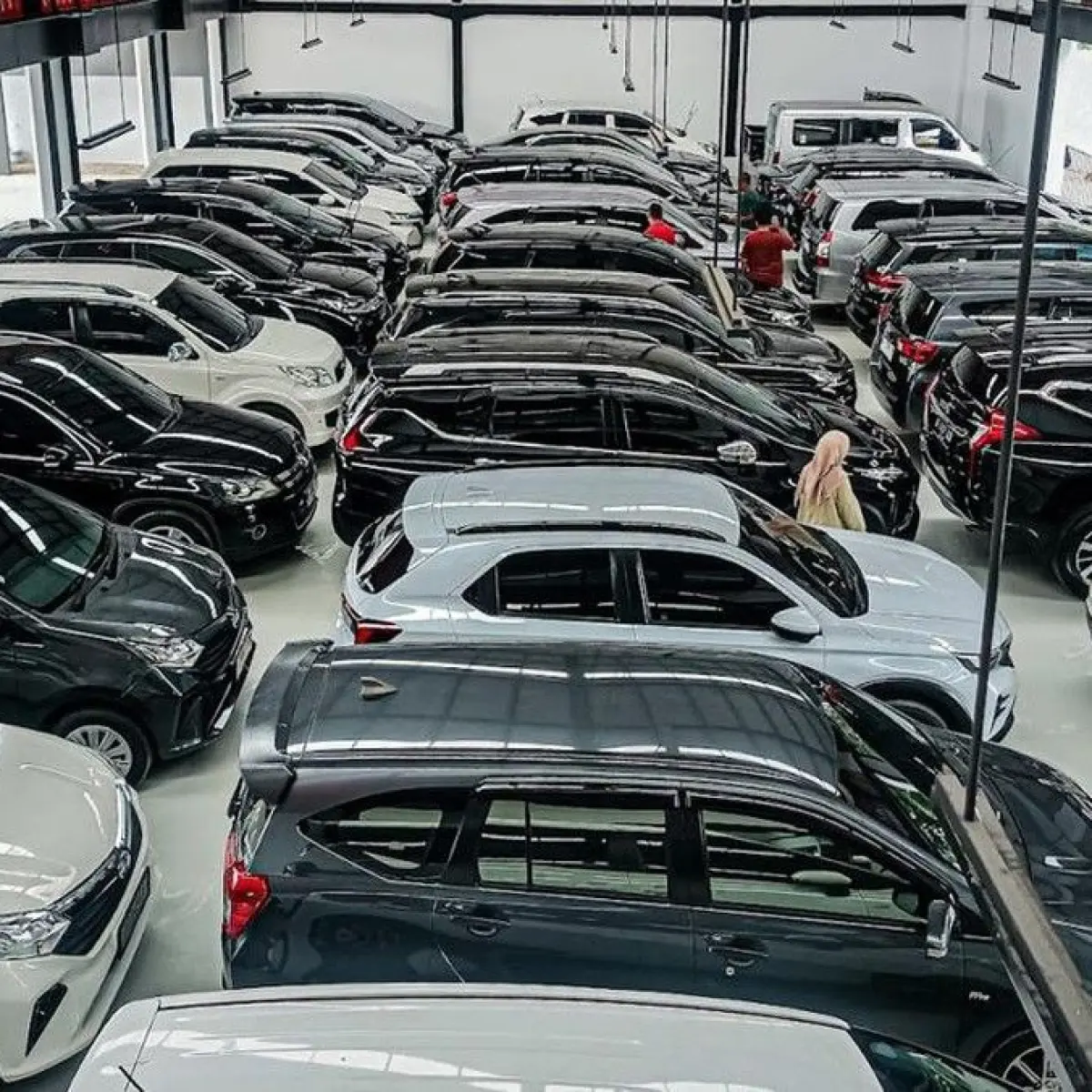
PORTALBERITA.CO.ID - The recent increases in the price of non-subsidized fuel have significantly altered consumer behavior within Indonesia's dynamic used car market. This shift indicates a growing financial prudence among prospective vehicle owners navigating rising operational expenses.
What exactly is driving this change? Potential buyers are now adopting a much more careful and selective approach when choosing which vehicle to purchase. This newfound caution stems directly from anticipated hikes in daily running costs following any acquisition.
When did this trend become apparent? The impact of these adjustments has been observed following the latest round of national fuel price revisions. As reported by media otomotif nasional, the market reaction has been swift and measurable.

Why is fuel economy now paramount? The primary motivation behind this selectivity is the fear of escalating monthly expenditures associated with vehicle ownership. Buyers are looking beyond the purchase price to long-term running costs.
Where is this impact most visible? The scrutiny is especially focused on vehicles known for their fuel consumption rates across various segments of the used car market. This is a nationwide phenomenon impacting purchasing decisions.
How significant have the price changes been? Concrete examples highlight the financial pressure commuters are facing. For instance, Pertamax saw its price adjusted from Rp12.300 per liter up to Rp16.250 per liter.
Furthermore, the premium offering, Pertamax Green 95, also experienced a notable price adjustment. Its cost moved from an initial Rp12.900 per liter to the current rate of Rp17.000 per liter.
According to media otomotif nasional, "Para calon pembeli kini menunjukkan sikap yang jauh lebih hati-hati dan selektif dalam memilih kendaraan yang akan mereka akuisisi." This observation underscores the market's immediate reaction to the economic pressure.
The central theme emerging from the Bogor region and beyond is that higher fuel costs are directly translating into a demand for more fuel-efficient used cars. This represents a major pivot in consumer preference.




.png)