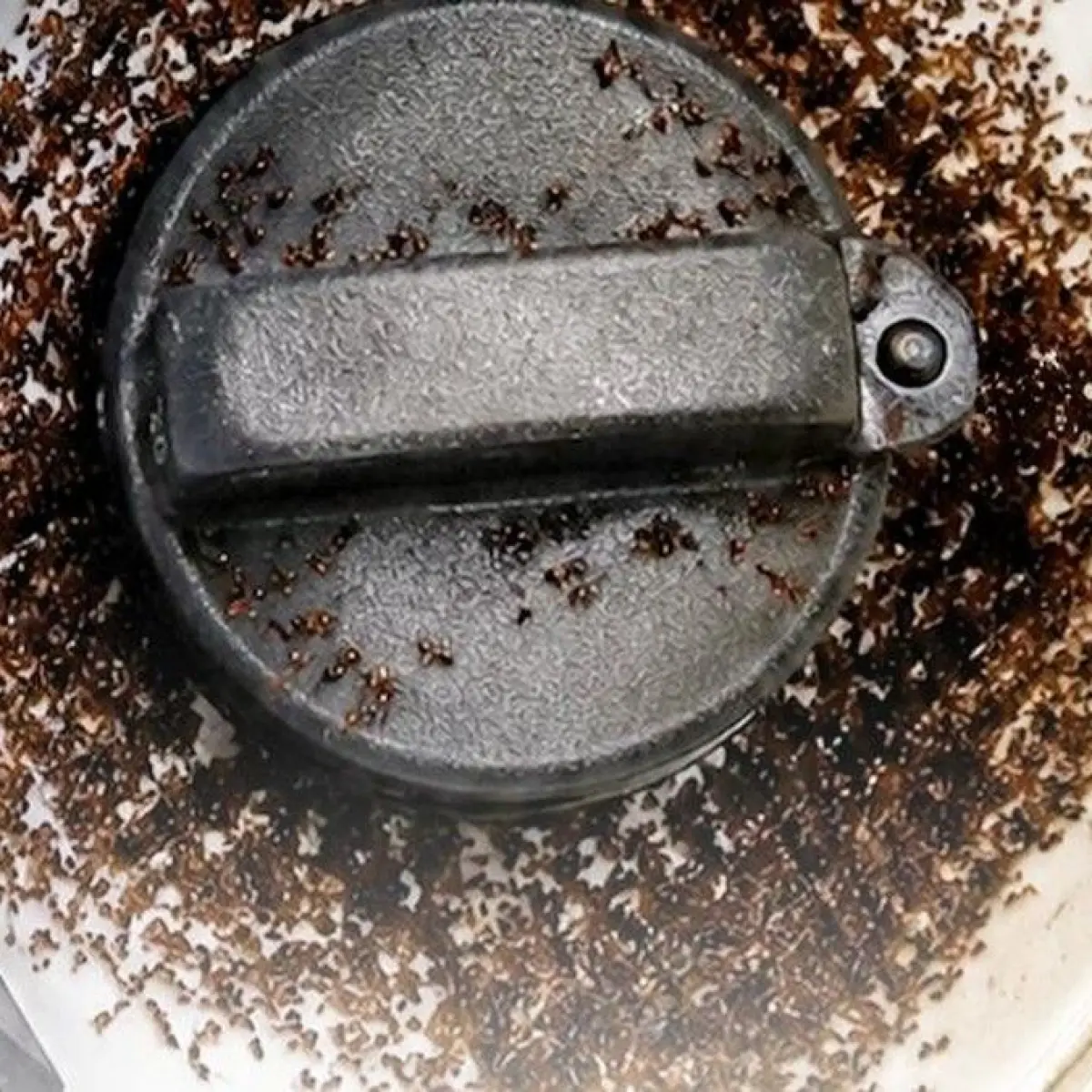
PORTALBERITA.CO.ID - A recent viral video circulating across social media platforms has sparked significant public debate regarding the composition of certain automotive fuels. The footage prominently displayed the fuel filler area of a car door swarming with a large colony of ants, leading to immediate speculation among viewers.
This incident has drawn particular attention because the accompanying narrative directly suggested a link between the ant infestation and the recent introduction of E20 blended fuel in the market. E20 fuel contains up to 20% bioethanol, prompting questions about its interaction with vehicle components and local fauna.
It is crucial to clarify the geographical context of this widely shared incident for accurate reporting. As confirmed by multiple local media outlets, the event captured in the viral footage definitively took place in India, not Indonesia, despite potential misinterpretations elsewhere.
The specific narrative circulating within the video clip explicitly accused the ethanol content in the fuel as the primary attractant for the large swarm of insects. This direct accusation placed the focus squarely on the biofuel blend as the root cause of the unusual phenomenon observed.
According to Indian media outlet Cartoq, local reports detailed the widespread circulation of this specific accusation across various digital channels. This reporting helped establish the origin point and the core claim being made against the E20 fuel standard.
While the video has generated significant buzz, the situation necessitates a factual, scientific examination rather than relying solely on anecdotal social media evidence. Bharat Petroleum (BPCL) has since stepped forward to provide an official clarification regarding the biological implications of E20 fuel.

Bharat Petroleum issued a statement addressing the scientific viability of the claim that E20 ethanol directly causes ants to congregate at the fuel tank opening. The company sought to debunk the sensationalist narrative that was gaining traction online.
The core of the scientific explanation provided by the company addresses the physical and chemical properties of the fuel blend itself. They aimed to distinguish between the fuel composition and unrelated environmental or maintenance factors that might attract insects.
As reported by Cartoq, the narrative circulating in the video clip directly blamed the ethanol level in the fuel for attracting the insect swarm. This statement highlights the direct correlation the circulating video attempted to establish between the fuel and the ants.