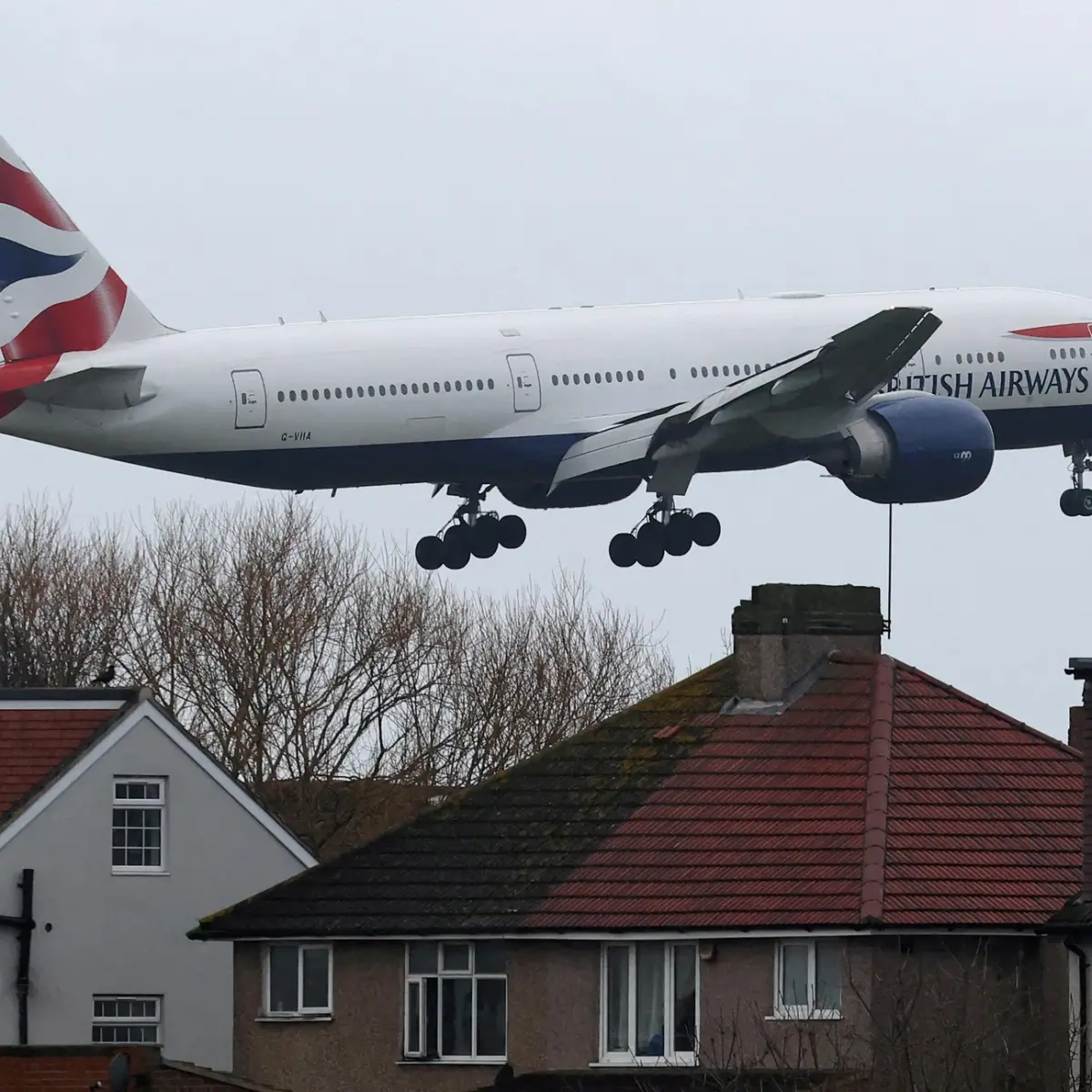
PORTALBERITA.CO.ID - European airline conglomerates, including British Airways parent IAG, Deutsche Lufthansa, and Air France-KLM, are preparing for a likely downturn in their recent strong performance on Asian and African routes. This anticipated shift comes as major Middle Eastern competitors finalize the restoration of their full flight capacities across global networks.
The context for this market adjustment was discussed by top industry executives during the International Air Transport Association (IATA) annual meeting, which took place in Rio de Janeiro. This gathering provided a crucial forum for assessing the current state of international air travel dynamics.
Luis Gallego, the Chief Executive Officer of International Airlines Group (IAG), signaled that the current market imbalance favoring European carriers is transient. "It’s something that is going to finish soon," said Luis Gallego.

Historically, European carriers faced fierce competition from dominant Middle Eastern airlines like Emirates and Qatar Airways, which leverage their central hubs to route significant global traffic. European carriers temporarily capitalized on reduced capacity from these rivals.
Ronald Lam, Chief Executive Officer of Cathay Pacific Airways, also shared his assessment regarding the temporary nature of the recent surge in long-haul demand his airline experienced starting in March. As reported by Businesstimes on Sunday, June 7, 2026, Lam noted the underlying market expectation.
"My personal view is that it’s only temporary once the Middle East situation stabilises for a period of time," said Ronald Lam. The executive expressed confidence that market conditions will revert to established patterns once regional stability is achieved.

"I believe things will probably go back to normal," said Ronald Lam. This sentiment underscores the belief among many industry leaders that the current configuration is an anomaly rather than a permanent structural change.
However, Ben Smith, Chief Executive Officer of Air France-KLM, suggested that some consumer behavior shifts might persist even after Gulf capacity returns fully. He predicted that a small segment of passengers might stick with non-stop options they adopted during the disruption.
Smith estimated that between 5 to 10 percent of customers who previously relied on Middle Eastern hubs will continue booking direct flights even after full regional capacity resumes. The challenge, he noted, involves facing highly competitive pricing from rivals.