PORTALBERITA.CO.ID - Iran’s Revolutionary Guards executed significant retaliatory strikes against a US military installation in Jordan and 21 other locations across the Gulf region on Wednesday, June 10, as reported by Businesstimes.
These military actions represent a major upswing in hostilities between Washington and Tehran, occurring shortly after a previous ceasefire agreement had been established in April. The confrontation began after American air strikes targeted Iranian air defense systems, ground control stations, and radar installations following the downing of a US Apache helicopter the previous day.
US President Donald Trump commented on the severity of the response, stating, "I believe the response should be very strong, very powerful, and that’s what this one is," according to reports.
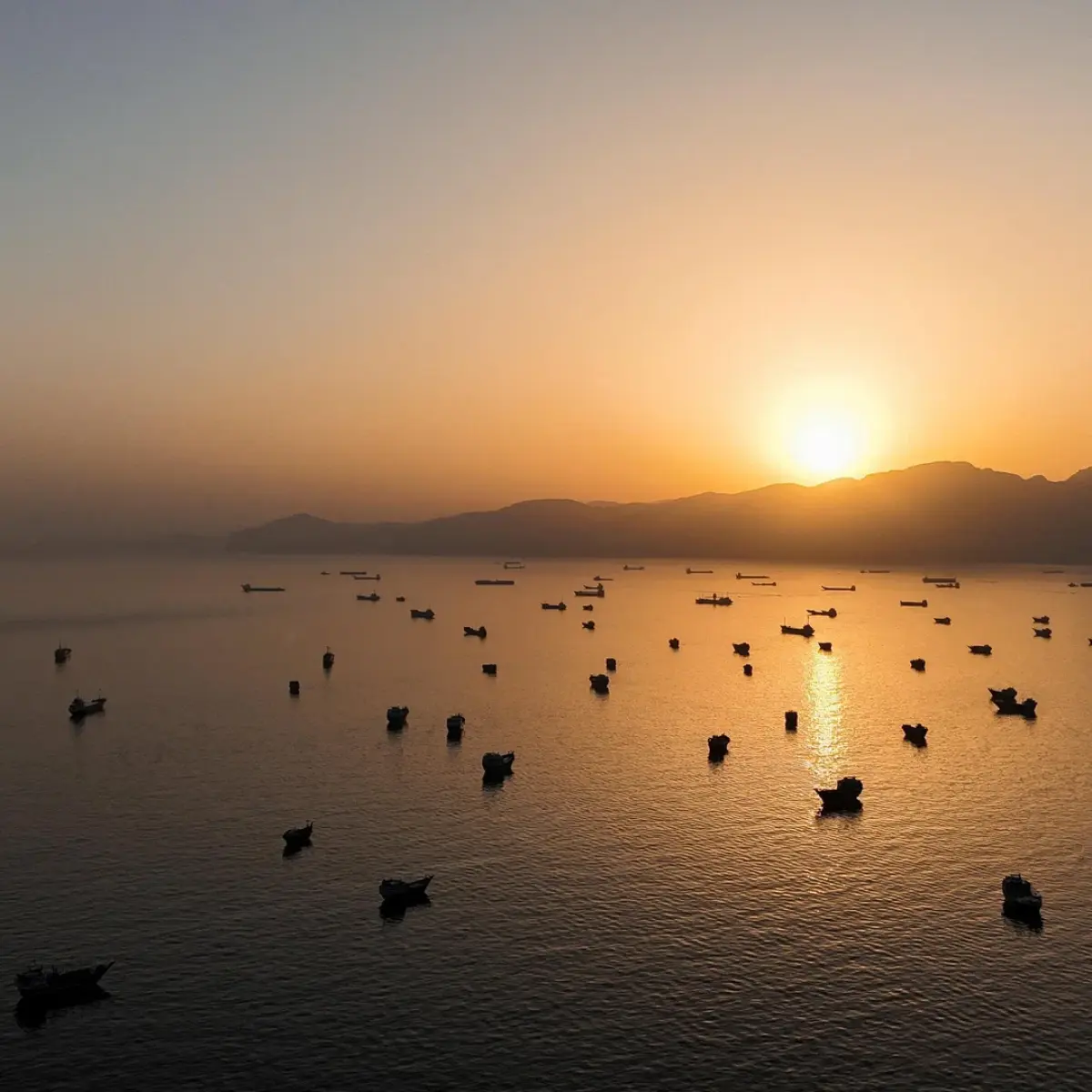
The US Central Command confirmed that their retaliatory operations lasted about four hours, concluding just before 9 p.m. ET on Tuesday, resulting in damage to nearly 20 Iranian sites. Iranian state media acknowledged that US strikes indeed hit Qeshm island and the port city of Sirik, with subsequent explosions noted near Bandar Abbas and Jask.
In direct response to the initial US action, the Revolutionary Guards utilized long-range missiles aimed at the al-Azraq base in Jordan, specifically targeting a command-and-control center and hangars housing F-35 fighter jets. Furthermore, Iranian forces reportedly initiated drone attacks against the Ali Al Salem base in Kuwait and the US Fifth Fleet stationed in Bahrain.
Air defense systems operating in Jordan, Kuwait, and Bahrain were highly active in engaging the incoming hostile projectiles. The Jordanian armed forces successfully intercepted and destroyed five missiles, noting that falling debris caused no material harm or injuries within their national territory.

A US official, speaking on condition of anonymity, conveyed that preliminary assessments indicated nearly all incoming Iranian missiles and drones were successfully intercepted, with no immediate reports of casualties or property damage among US personnel. Following the announcement of these engagements, global oil prices saw a modest increase of approximately 1 percent during early Asian trade.
This latest surge in violence follows the incident on Tuesday when a US Apache helicopter crashed in waters adjacent to Oman’s coast during a standard patrol at 3 a.m. local time. Fortunately, a US Navy surface drone managed to rescue the two crew members, who were subsequently reported to be in stable medical condition.
Regarding the cause of the helicopter incident, an anonymous American official attributed the downing to a one-way Iranian attack drone. Despite the escalating military tensions, diplomatic channels remained open, with communications continuing via telephone throughout the day.