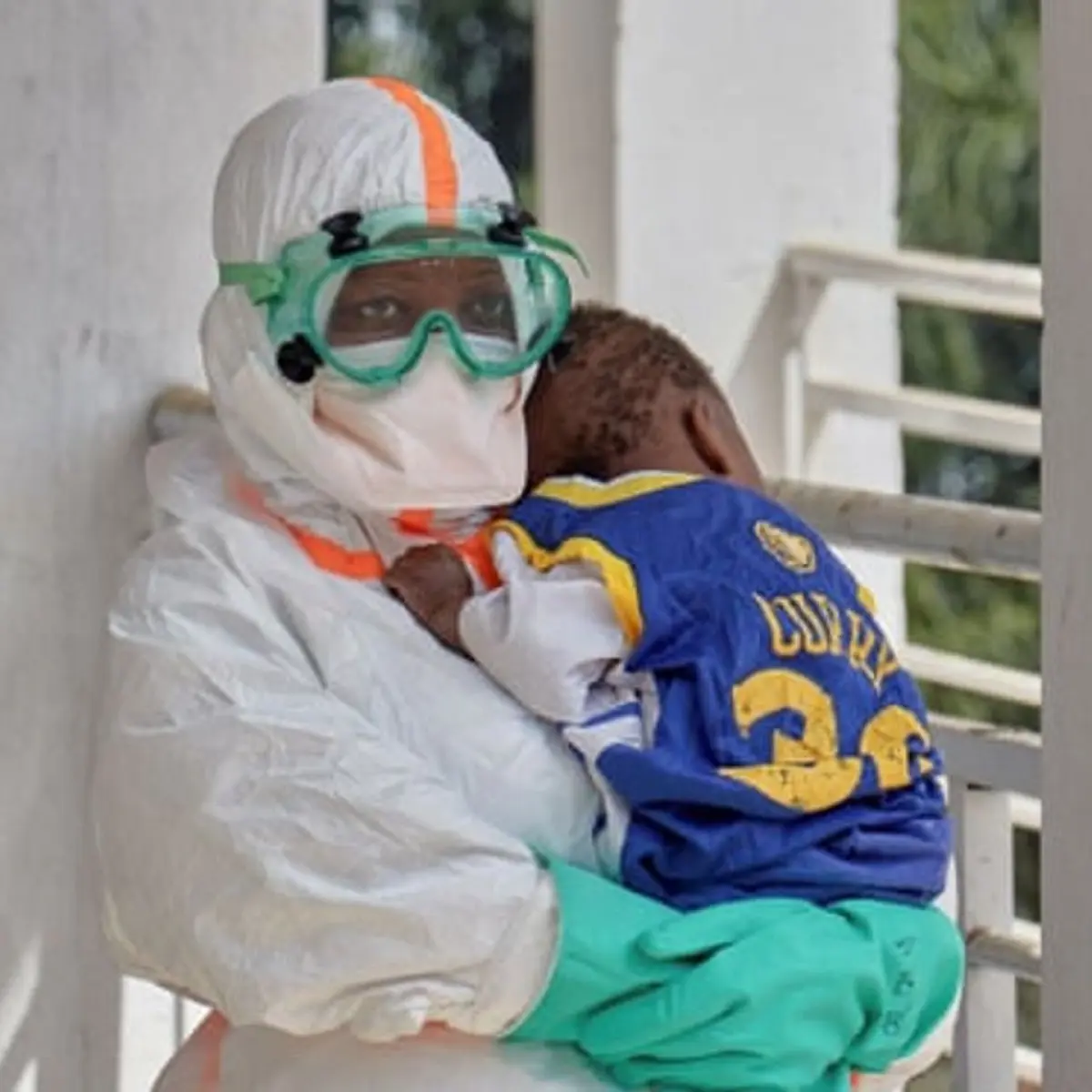
PORTALBERITA.CO.ID - The ongoing Ebola epidemic in the Democratic Republic of the Congo (DRC) is rapidly growing, now registering as the third largest outbreak in history, as reported by The Guardian. This escalation is compounded by severe funding shortfalls, deep-seated public fear, and pervasive misinformation campaigns hindering response efforts.
The severity of transmission was tragically highlighted at an orphanage in Bunia, where a newborn infant, taken in after its mother died from Ebola, survived only two weeks. Subsequently, four nuns providing care at the facility contracted the deadly virus, illustrating the swift spread within vulnerable communities.
As of one month after the Bundibugyo virus was first detected, United Nations figures confirm a total of 676 cases and 136 fatalities. The overwhelming majority of these infections and deaths are concentrated within the DRC’s Ituri province.

The World Health Organization (WHO) has noted that the victim count is approximately doubling on a weekly basis, signaling a critical worsening of the public health emergency. "It’s really, really devastating," said Dr Babou Rukengeza, Save the Children’s Ebola response lead in the Democratic Republic of the Congo (DRC).
Frontline health workers are reporting acute shortages of vital operational materials, including necessary personal protective equipment and transport for managing deceased bodies. They also stress the urgent need for faster diagnostic testing closer to where patients are located.
In contrast to the escalating situation in the DRC, neighboring Uganda has managed to contain its localized outbreak through intensive contact tracing efforts, reporting only 19 confirmed cases and two deaths. Despite this, 22 nations, including the US, have implemented travel restrictions for individuals arriving from the DRC, Uganda, or South Sudan, according to Africa CDC.

Experts argue that these travel restrictions are counterproductive, potentially impeding the necessary response operations by health agencies. They emphasize that the DRC requires flexible and immediate financial resources from the international community to effectively control the epidemic.
On a more optimistic note, researchers are accelerating trials for vaccines specifically targeting the Bundibugyo strain, and preliminary data suggests that existing antiviral treatments should prove effective against the virus. Coordination meetings are taking place daily among response organizations in Ituri province, with African leaders planning a virtual meeting to solidify financial commitments.
However, operational momentum is being significantly slowed by persistent armed conflict in the most affected zones and rampant misinformation that actively deters sick individuals from seeking essential hospital care. Gratien Iracan, the local Member of Parliament for Bunia, expressed concern over the lack of visible aid despite international pledges. "Despite the millions of dollars announced by the international community to support the response to Ebola, these resources are not yet sufficiently visible on the ground in Ituri," said Gratien Iracan.