PORTALBERITA.CO.ID - The Provincial Government of DKI Jakarta implements a progressive motor vehicle tax mechanism designed to manage the volume of private transportation within the metropolitan area. This specific policy is aimed at curbing the proliferation of multiple vehicles of the same type owned by a single individual or entity.
This progressive taxation structure is often misunderstood by the general public regarding its precise application criteria. Contrary to a common assumption, the surcharge is not automatically applied based on the aggregate total of all vehicles an individual possesses across different categories.
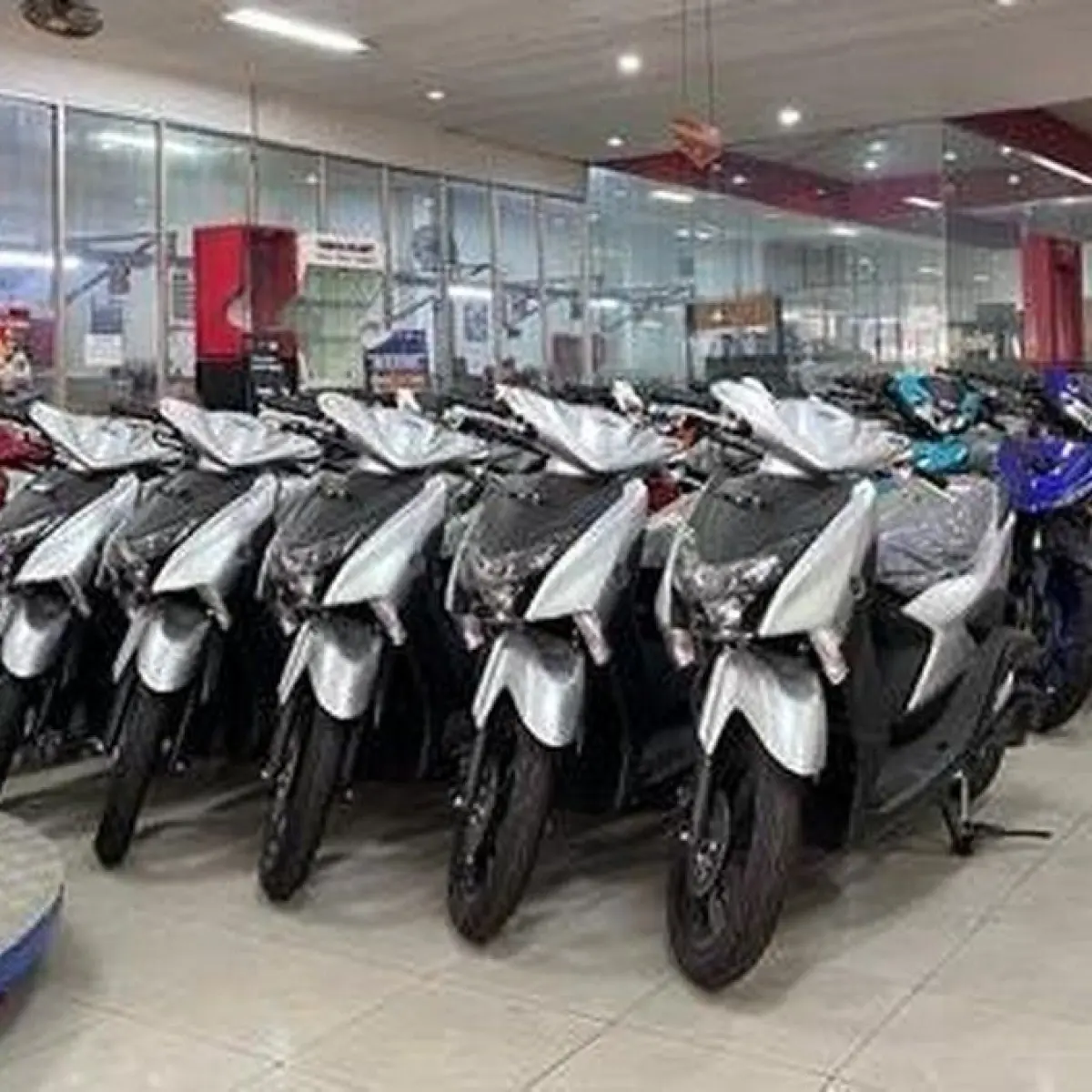
The core mechanism dictates that the progressive tariff is only activated when there is dual or multiple ownership within an identical vehicle classification. For instance, this specifically applies to owning two or more motorcycles, or two or more cars.
As reported by Detik Oto, the official public relations account for Jakarta taxation authorities provided crucial clarification on this matter. This insight helps delineate who exactly falls under the progressive tax bracket for two-wheeled vehicles.
The clarification detailed a scenario where an owner possessing one motorcycle, one three-wheeled vehicle, and one passenger car would not face any progressive additional charges. Each of these distinct vehicle types is treated separately under the current regulations.
"The imposition of the progressive rate only applies if there is duplicate ownership within the identical vehicle type, for example, owning two or more motorcycles," stated the official social media account of humaspajakjakarta.
This distinction is vital because each vehicle classification—motorcycle, three-wheeler, or car—is calculated independently for the purpose of determining the first-ownership status. Therefore, mixed fleets remain exempt from the progressive surcharge.
The intent behind this structure, as established by the Jakarta administration, is to specifically target and discourage the accumulation of redundant vehicle types, rather than penalizing residents who utilize different modes of transport.
This system ensures that a resident maintaining a diverse set of transportation assets, even if numerous, is only subjected to the standard first-vehicle rate for each classification unless they own multiple units of the exact same kind.