PORTALBERITA.CO.ID - The Indonesian government has officially implemented a new progressive tax scheme targeting citizens who possess more than one motor vehicle of the identical wheel type. This regulatory adjustment aims to foster greater efficiency in vehicle ownership, particularly within densely populated urban centers.
This measure is designed to encourage more sustainable transportation habits among the populace, addressing mounting concerns over urban congestion and environmental impact. The structure of the tax is specifically calibrated to influence the decision-making process for acquiring additional vehicles.
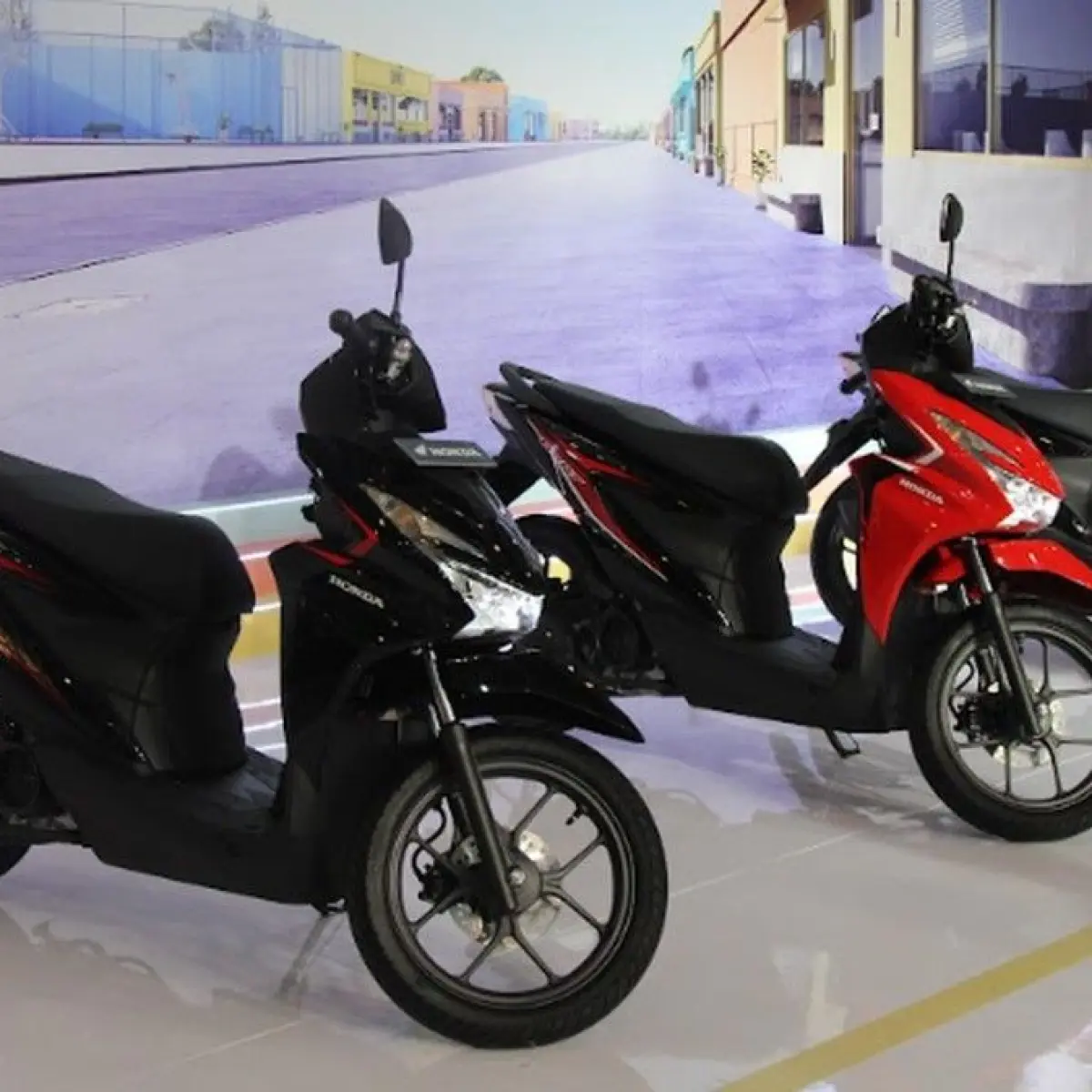
As a concrete illustration of the policy's application, the authorities have outlined a scenario involving an individual owning one Toyota Avanza and two units of the Honda Beat motorcycle. This example serves to clarify the mechanics of the new financial obligation for multi-vehicle owners.

Crucially, the progressive calculation is not based on the aggregate total of all vehicles owned by an individual. Instead, the assessment strictly adheres to grouping vehicles based on their specific wheel type classification, such as cars or motorcycles.
As reported by Detik Oto, the imposition of this progressive tariff rate commences strictly from the second vehicle registered under the same category owned by the taxpayer. This marks the threshold where the increased levy becomes active.
For the specific case of the Honda Beat motorcycles, the very first unit owned by the individual will be subject to the standard ownership tax rate, which is stipulated at two percent. This aligns with existing general taxation provisions for first-time ownership within a category.

The subsequent Honda Beat—the second unit—will then fall under the progressive bracket, incurring a higher tax rate than the initial vehicle. This tiered system is the core mechanism of the new progressive structure being introduced.
According to Detik Oto, the progressive taxation principle dictates that each additional vehicle of the same type will face an escalating tax burden compared to the preceding one. This encourages restraint in acquiring further vehicles of the same class.
This regulatory shift signifies a strategic governmental effort to manage the proliferation of private vehicles in key metropolitan areas where infrastructure strain is most acutely felt. The goal remains focused on promoting equitable and efficient resource utilization.