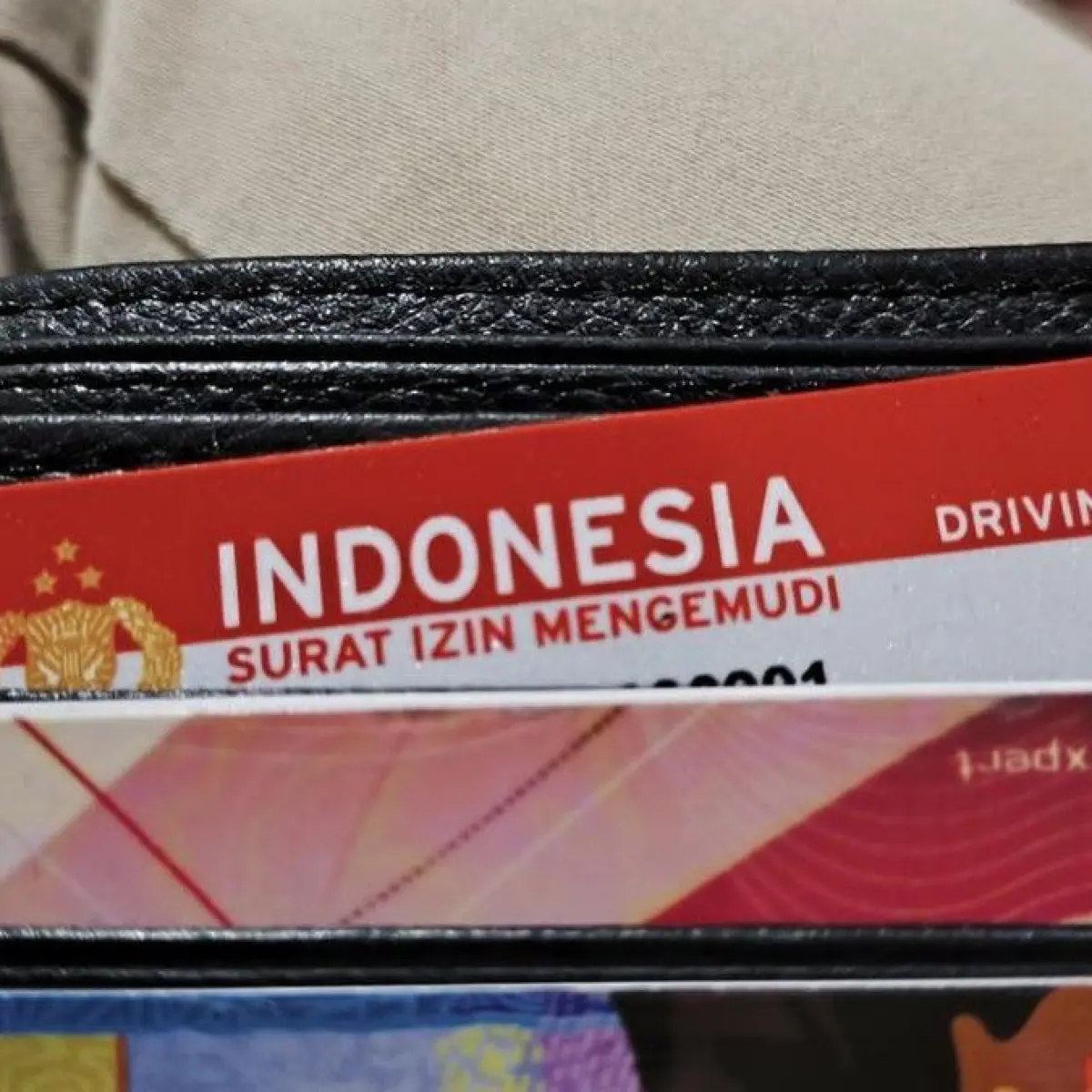
PORTALBERITA.CO.ID - In Indonesia, the national Driving Permit, known locally as Surat Izin Mengemudi (SIM), is issued with a mandatory validity period capped at just five years. This regulation necessitates that every license holder must undertake a formal re-registration or renewal process periodically to maintain legal driving status.
This standardized limitation on the document's duration is not intended as an administrative burden for the public. Rather, it serves a critical, overarching purpose related to public safety on the nation's roadways.
The primary objective behind this recurring renewal requirement is to rigorously ensure the continued safety of all road users across the country. This systematic review process is fundamental to maintaining high standards of road conduct.

As reported by Digital Korlantas, the underlying rationale is rooted in preventative measures to safeguard the community. The police actively seek to confirm that every individual operating a vehicle remains qualified and competent to do so safely.
"The restriction on this duration is not intended to complicate matters for the public, but rather has the main goal of guaranteeing the safety of all road users," explained Digital Korlantas. This statement clarifies the proactive stance taken by law enforcement regarding driver competency.
The policy mandates that law enforcement can regularly verify that drivers adhere to current safety standards and possess the necessary skills for modern traffic conditions. This ongoing assessment is vital for minimizing risks.

Failure to adhere to this strict five-year renewal deadline results in specific legal consequences for the license holder. These penalties are enforced to underscore the seriousness of maintaining up-to-date documentation.
According to Digital Korlantas, the authorities are implementing this framework to ensure continuous adherence to safe and competent driving qualifications. This continuous verification process is central to traffic management strategy.
Therefore, the five-year cycle acts as a crucial checkpoint, compelling drivers to reaffirm their fitness to navigate public roads, thereby supporting national road safety initiatives.