PORTALBERITA.CO.ID - Widespread public apprehension persists concerning the operational safety of electric vehicles (EVs) when traversing railway crossings. This doubt stems from circulating narratives suggesting potential electronic interference.
The core of this concern revolves around the electromagnetic fields (EMF) generated by railway infrastructure, especially on electrified lines. These lines, utilizing substantial electrical power from overhead systems, are known emitters of electromagnetic radiation.
However, technological advancements in modern automotive engineering have proactively addressed these potential vulnerabilities. Electric vehicles today undergo rigorous and comprehensive testing protocols designed for real-world scenarios.

This reassurance comes from relevant authorities who have scrutinized the electronic control systems integrated within contemporary EVs. These verification processes examine the vehicle's resilience under various electromagnetic conditions.
As reported by the associated parties involved in these verifications, the testing specifically ensures that critical control systems remain unaffected. This confirms the vehicles’ designed compatibility with environments near strong electromagnetic sources.
The investigation sought to definitively answer the "What" and "Why" of these fears: What is the risk from railway EMF, and why might it pose a threat to EV electronics? The answer lies in the thoroughness of current safety standards.
"The testing has been designed to ensure that the control system does not experience interference even when located in areas with specific electromagnetic conditions," confirmed the verifying technical bodies. This addresses the "How" these vehicles maintain integrity.
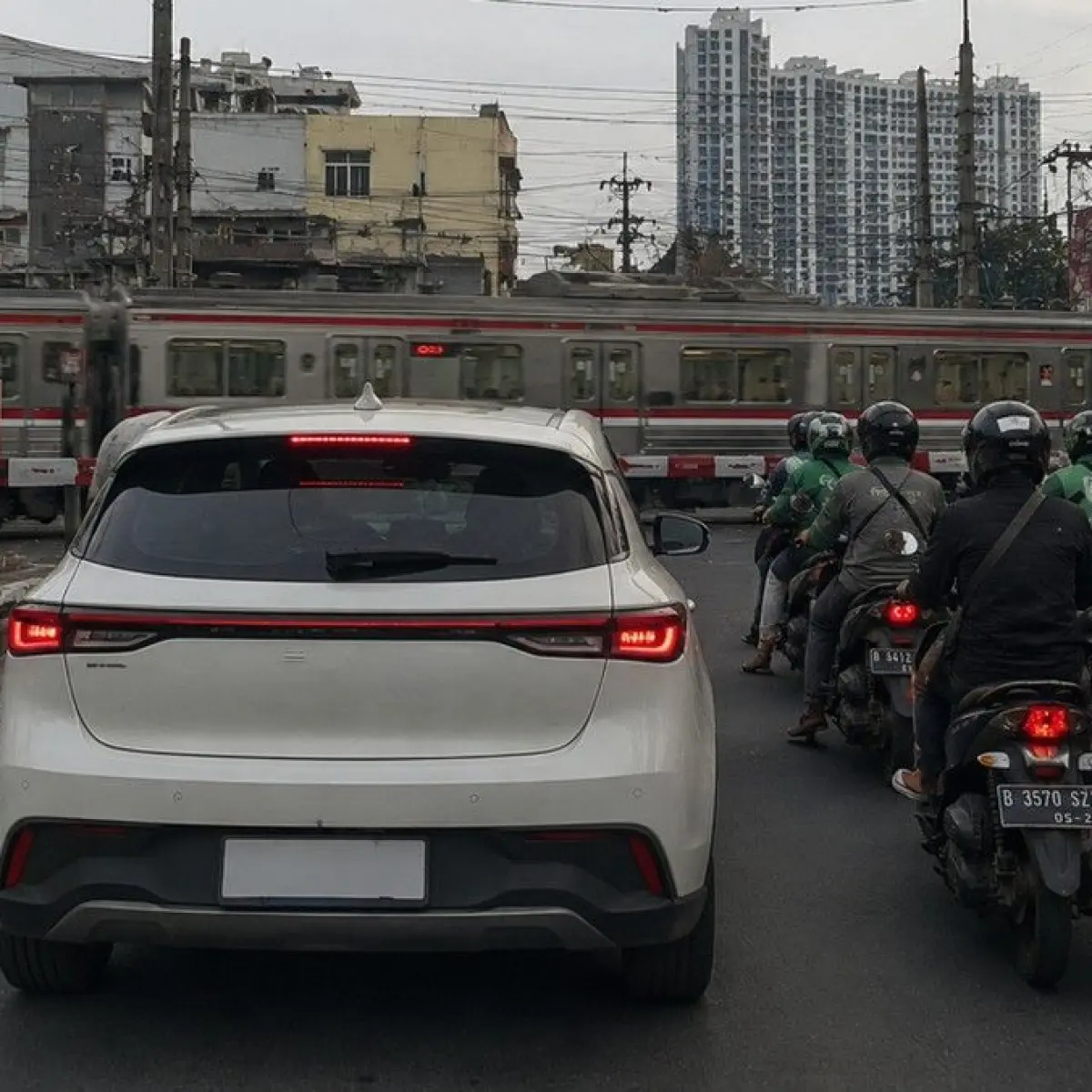
Where this scenario typically arises is at busy road intersections that intersect with electrified rail lines, such as those operated by the KRL system in Indonesia. This highlights the specific "Where" these concerns manifest physically.
When did this become a major point of discussion? The recent surge in EV adoption has prompted these long-standing theoretical concerns to become immediate, practical safety questions for drivers today.