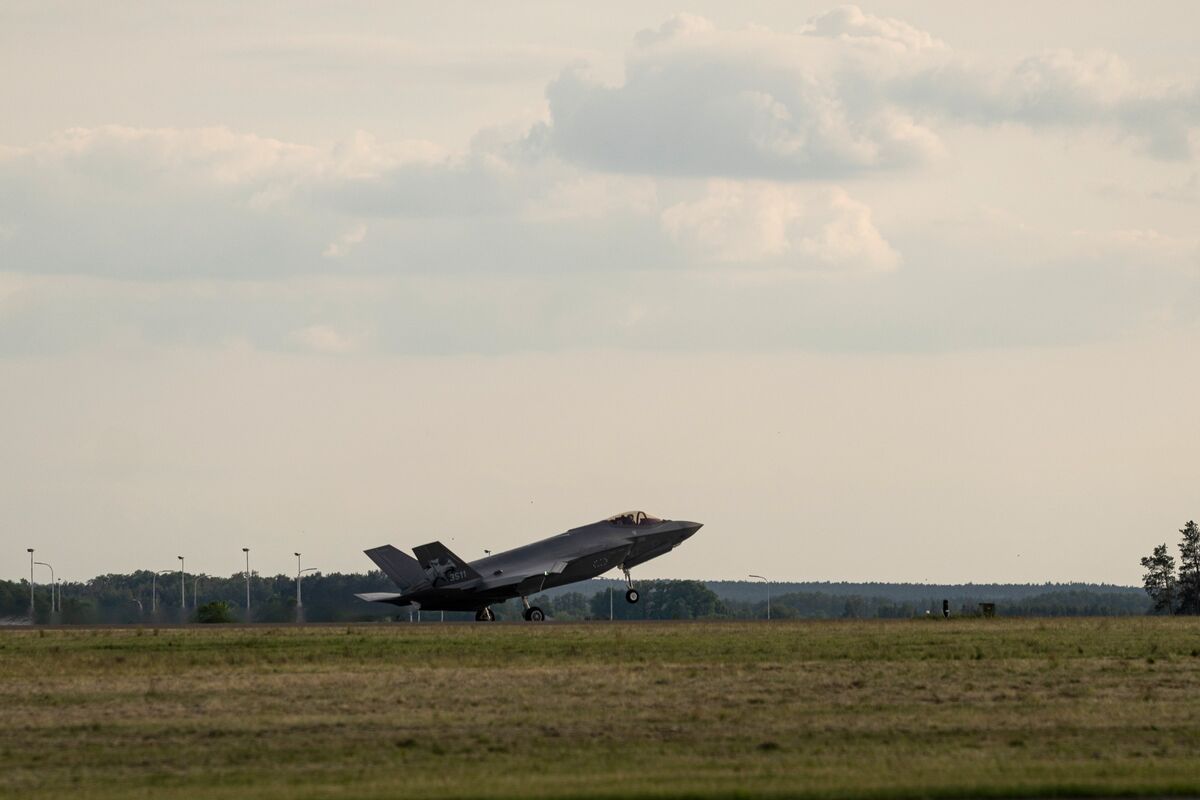
PORTALBERITA.CO.ID - Denmark's ambitious plan to modernize its air force by acquiring advanced F-35 fighter jets is currently grappling with severe budgetary inflation. Recent official findings have exposed significant financial discrepancies between initial projections and the expected final expenditure for this major defense acquisition.
As reported by the national auditors, the final cost associated with securing these sophisticated aircraft is now projected to exceed the initial parliamentary-approved budget significantly. This substantial escalation represents a major hurdle for the Nordic nation's defense spending plans.
The specific financial breach amounts to an estimated overrun of 14 billion Danish kroner. This staggering figure translates directly into approximately $2.2 billion in additional funding that Denmark must now secure to complete the F-35 acquisition.

The auditors placed significant emphasis on the governmental process concerning financial transparency with the legislative body. Their investigation centered on how the true financial trajectory of the F-35 program was communicated to Danish lawmakers.
According to the national auditors, the information furnished to the Danish parliament regarding the escalating program costs was deemed insufficient. This lack of complete disclosure has drawn sharp criticism from the oversight body.
The core issue identified by the auditors relates to the government's presentation of financial data leading up to the parliamentary authorizations. This review sought to understand the gap between the stated budget and the emerging reality of the procurement expenses.

The acquisition itself is a cornerstone of Denmark’s broader defense modernization strategy, making the cost overrun a critical issue for national security planning. The government now faces the difficult task of justifying the massive increase to taxpayers and legislators.
The review by the national auditors serves as a crucial check on large-scale public expenditures, highlighting the necessity for accurate forecasting in high-value defense contracts. The findings underscore persistent challenges in managing the finances of complex, long-term military procurement projects.