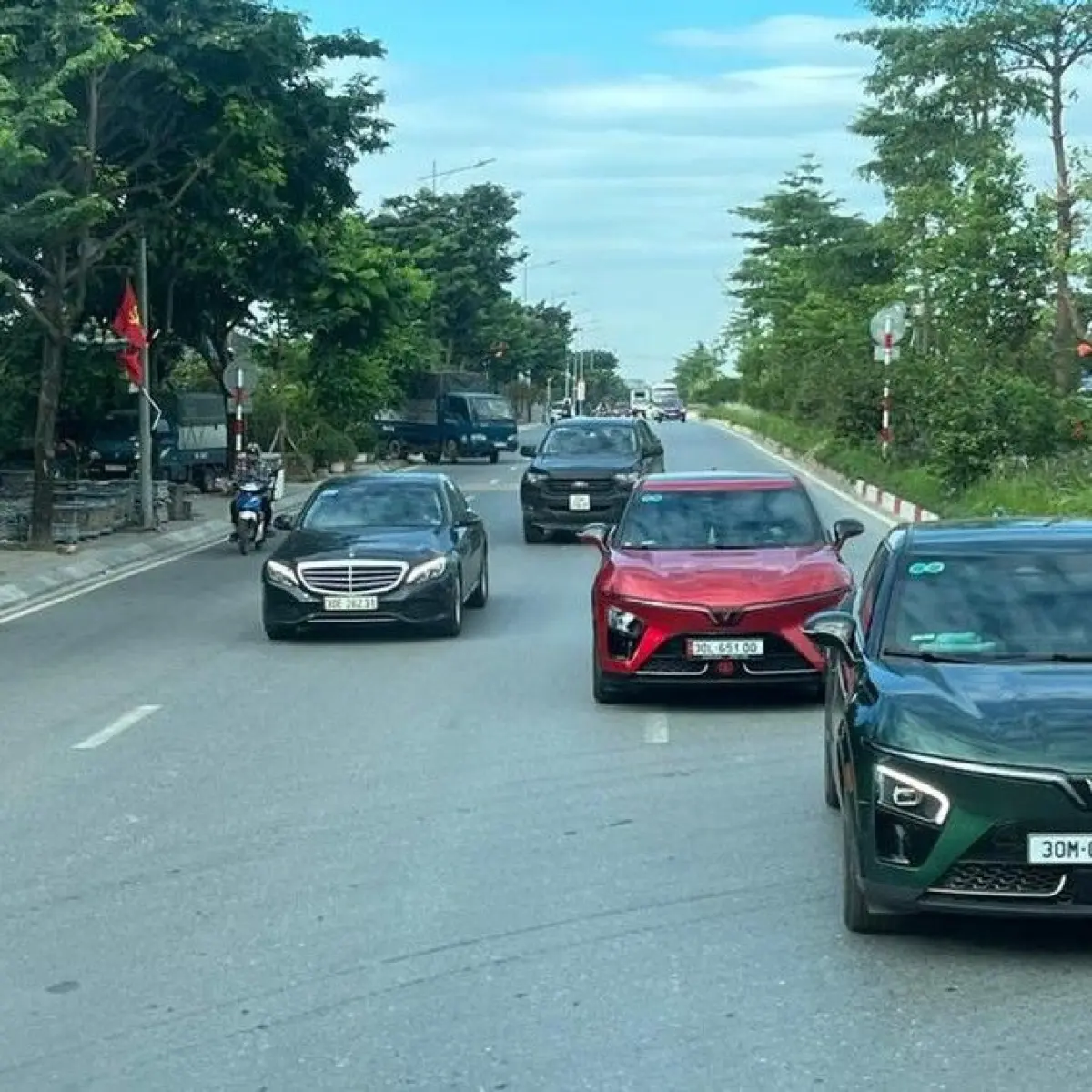
PORTALBERITA.CO.ID - The global adoption of electric vehicles (EVs) is accelerating, mirroring a significant surge in popularity within nations like Indonesia. This trend is largely fueled by increasingly competitive pricing when compared to traditional internal combustion engine (ICE) vehicles.
In Indonesia specifically, the last two years have witnessed a marked increase in EV sales. This growth has been substantially bolstered by various supportive incentives introduced by the government to promote sustainable transportation.
Despite this positive momentum, a segment of the public continues to voice significant safety concerns regarding these environmentally friendly automobiles. These anxieties often concentrate on the potential hazards associated with EV batteries in the event of a severe road collision.

However, recent scientific data emphatically demonstrates that these modern, eco-friendly vehicles possess safety standards equivalent to those found in conventional gasoline-powered cars. This validation is crucial for building consumer confidence in the new technology.
This assurance is clearly evidenced by comprehensive crash testing results, which show high performance scores across multiple protection categories. These rigorous evaluations are designed to simulate real-world accident scenarios.
As reported by BOGORPLUS.ID, the results of these mandated physical impact tests serve to directly counter prevailing public fears about battery vulnerability after a crash. The testing protocols examine structural integrity under duress.
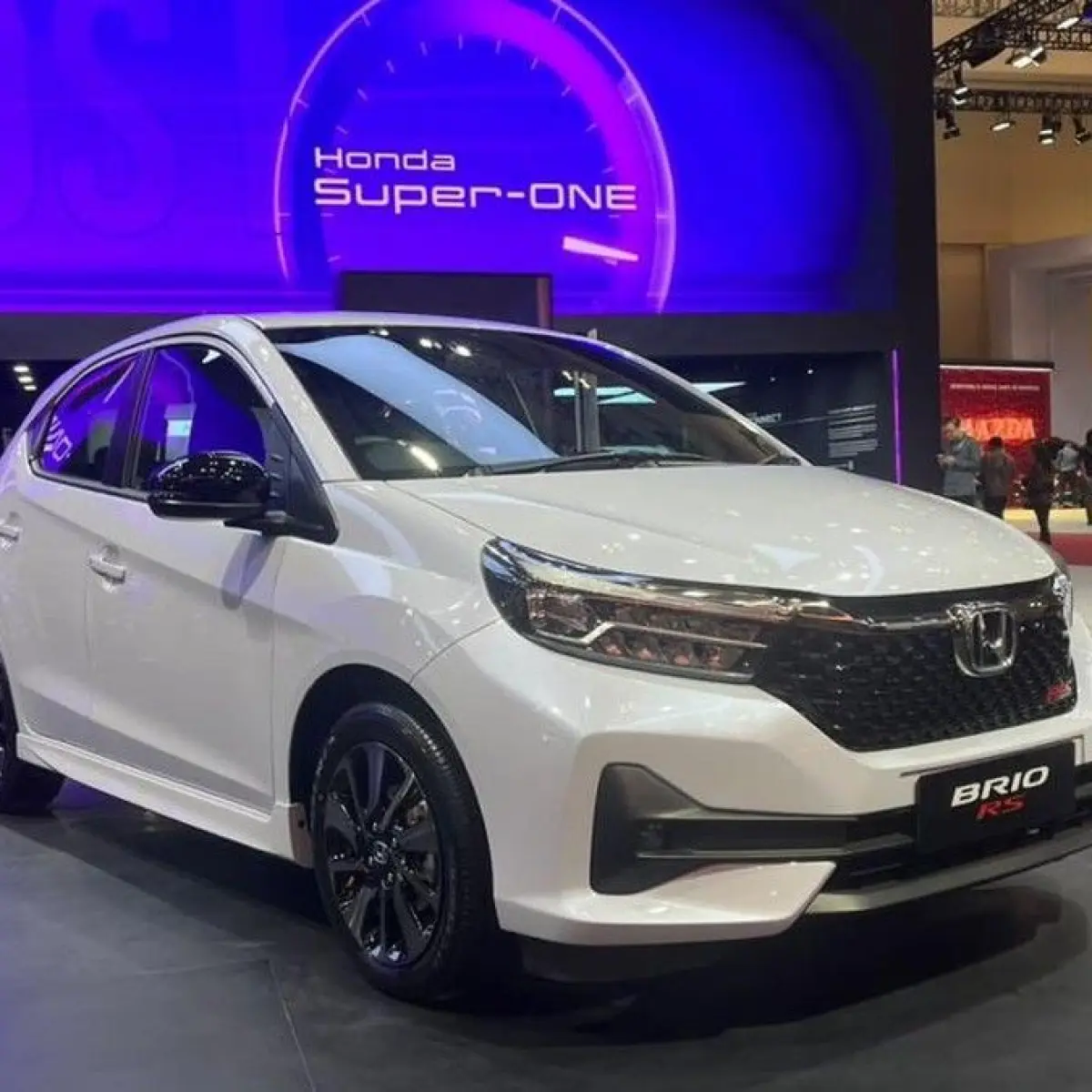
The core finding confirms that rigorous engineering and safety measures incorporated into EV design effectively mitigate the risks previously highlighted by skeptical consumers. This addresses the central "What" of the safety debate.
These successful demonstrations explain "Why" the narrative around EV safety is shifting from concern to confirmation, paving the way for broader acceptance in the automotive market. This rigorous testing happened across various official testing facilities.
The "How" of this validation involves standardized procedures where the vehicle's ability to protect its occupants and maintain battery containment during high-impact collisions is meticulously assessed. This process determines the final safety rating.




.png)