PORTALBERITA.CO.ID - China has implemented a significant reduction in its crude oil imports, responding directly to a sharp, unexpected decline in domestic consumption of petrol and diesel. This development comes three months into the ongoing conflict in Iran, according to recent reports from Businesstimes.
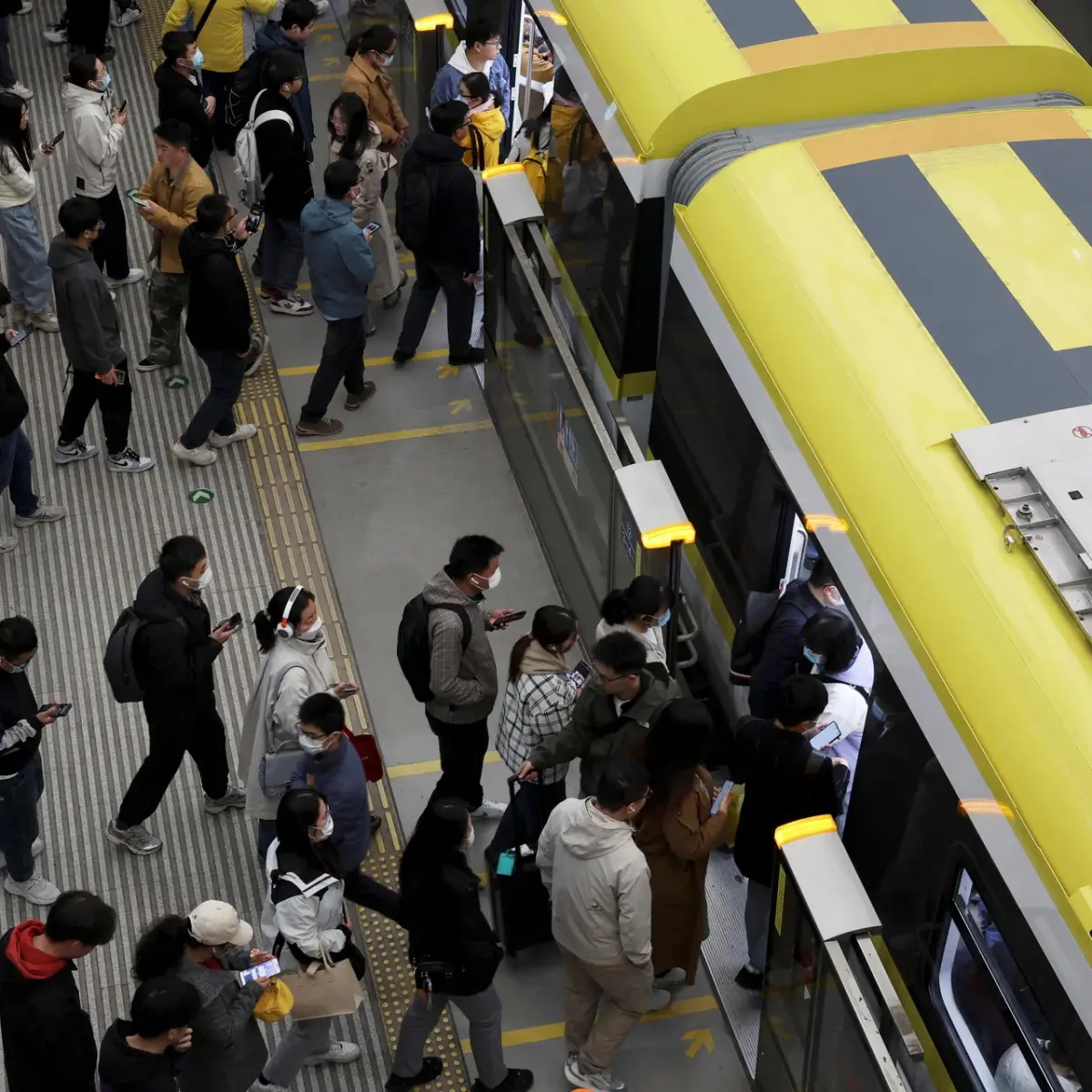
What is driving this massive reduction? Data from the Ministry of Transport reveals that Chinese travelers are increasingly opting for mass transit options over private vehicles. Specifically, rail journeys recorded a notable increase of approximately 10 percent year-on-year across March and April.
Who is seeing the direct impact? Industry sources, who were briefed on internal company data, confirmed that major state-owned Sinopec experienced substantial dips in sales. Petrol sales reportedly fell by 8 percent year-on-year in April, while diesel sales saw a 6 percent contraction over the same period.

How large was the resulting import cut? Leveraging this reduced domestic need, China managed to slash its crude oil imports by 29 percent in May, bringing the daily intake down to 7.8 million barrels per day. This action reflects a clear market adjustment within the world's largest oil importer.
Why is this shift happening now? Analysts attribute the current decline to the accelerating adoption of electric vehicles (EVs) and robust state support for charging infrastructure. State-backed data highlights this trend, showing a staggering 69 percent year-on-year increase in the utilization of EV charging stations.
Minmin Hu, an analyst at S&P Global, characterized the current consumption drop as fundamentally different from previous downturns. "The difference now is that demand is declining spontaneously," said Minmin Hu.

Hu further elaborated on the distinction between current trends and historical dips experienced during lockdowns. "The drop in fuel consumption during the Covid period was due to mobility constraints," said Minmin Hu.
This behavioral change is also compounded by lingering economic factors affecting industrial activity across the nation. The protracted five-year crisis impacting China's property sector has further suppressed the demand for industrial diesel fuel in various provinces.
Independent fuel traders have observed that budgetary constraints are forcing construction firms to halt projects or replace their existing diesel-powered fleets entirely with electric alternatives. This transition is a significant contributor to the reduced diesel consumption figures.