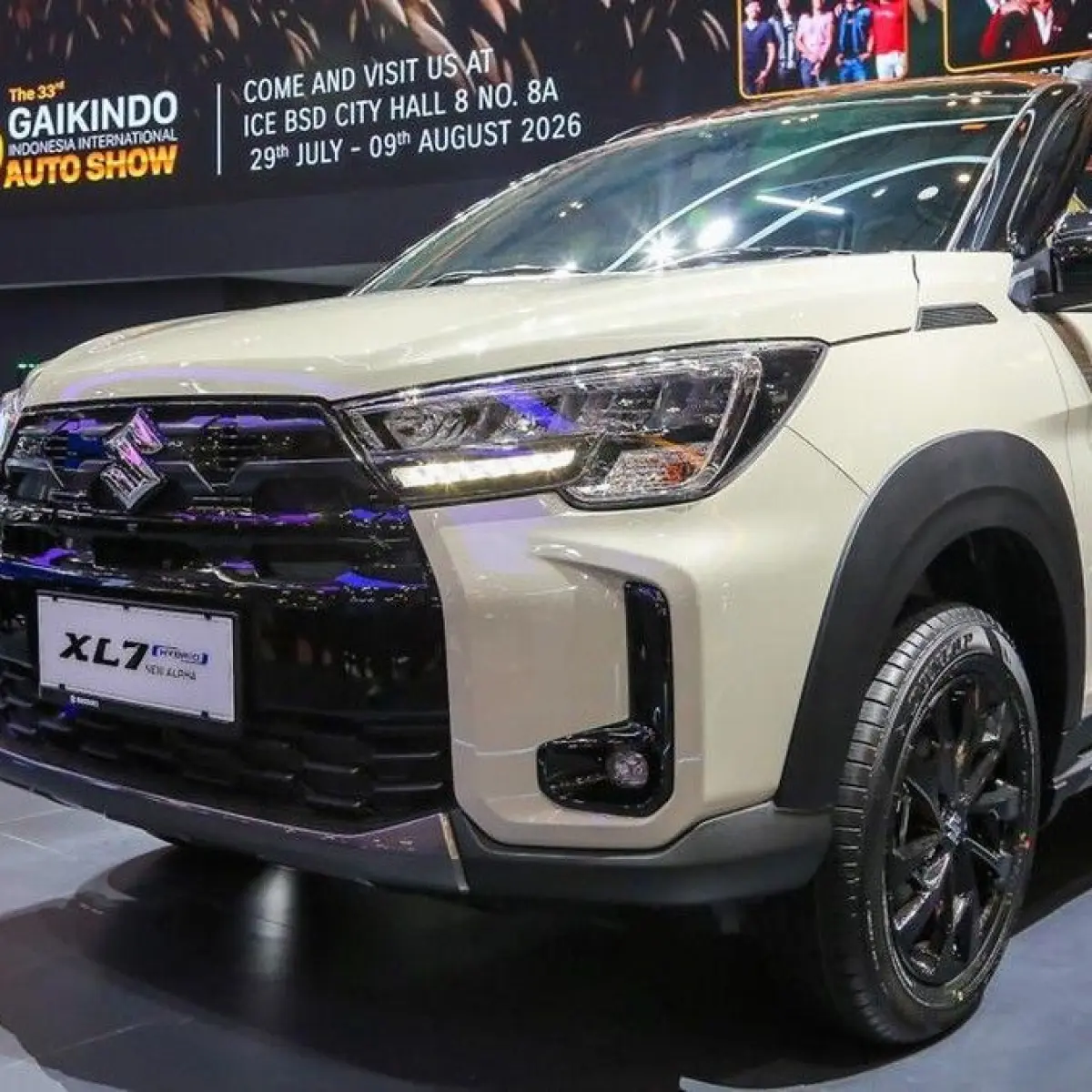
PORTALBERITA.CO.ID - The shift toward electric vehicles (EVs) is gaining momentum across Indonesia, driven not only by environmental consciousness but increasingly by compelling operational cost reductions. This efficiency in energy usage is becoming a critical factor for individuals undertaking long daily commutes.
For daily commuters traveling from satellite cities such as Depok, Bogor, Tangerang, or Bekasi into the central business districts of Jakarta, daily transportation expenditure represents a substantial financial outlay. These workers typically cover round-trip distances ranging between 40 and 60 kilometers every working day.
The specific energy efficiency offered by electric mobility promises immediate and tangible financial benefits in the context of daily transit requirements. This clearly illustrates how modern battery technology substantially lowers energy expenditures compared to traditional internal combustion engine vehicles.

As reported by BOGORPLUS.ID, Chery has recently disclosed impressive figures regarding the energy consumption costs associated with their electric vehicles. This data point is crucial for potential buyers evaluating the long-term financial viability of switching to EVs.
The manufacturer specifically calculated that the energy cost required to travel one kilometer in their electric vehicle amounts to approximately IDR 181. This low figure positions EVs as a highly economical choice for high-mileage drivers.
This significant cost advantage directly impacts the monthly budget of professionals relying on daily vehicular transport into the capital city. The savings accumulate rapidly when considering the 40 to 60 kilometer average daily travel undertaken by this demographic.
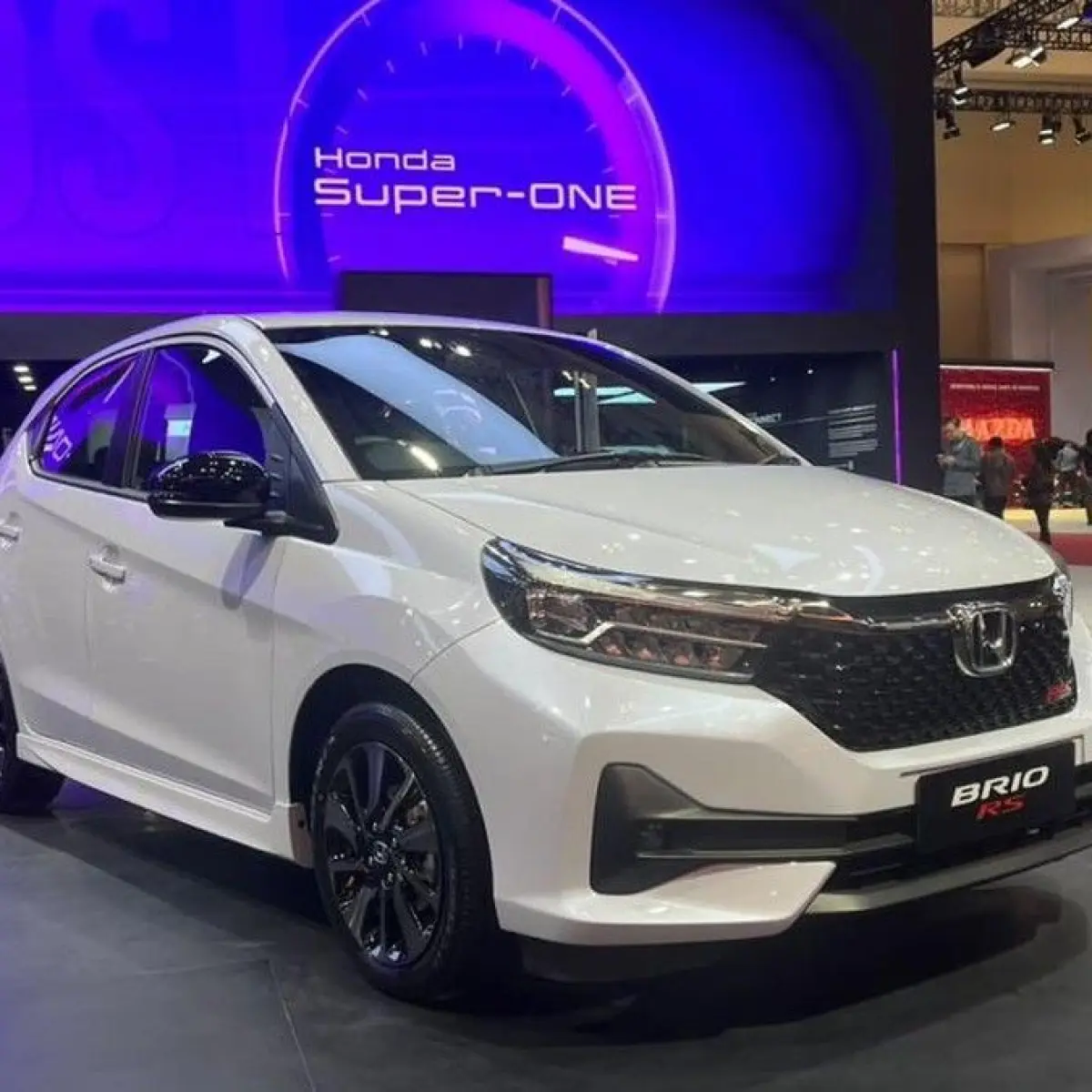
The core advantage lies in the superior energy conversion inherent in EV battery systems compared to gasoline-powered alternatives. This technological superiority directly translates into lower per-kilometer operating expenses for the end-user.
According to BOGORPLUS.ID, the efficiency metrics underscore the financial rationale behind adopting electric transportation solutions for regular, long-distance urban commuting patterns. This supports the narrative of EVs as a practical, cost-saving alternative.